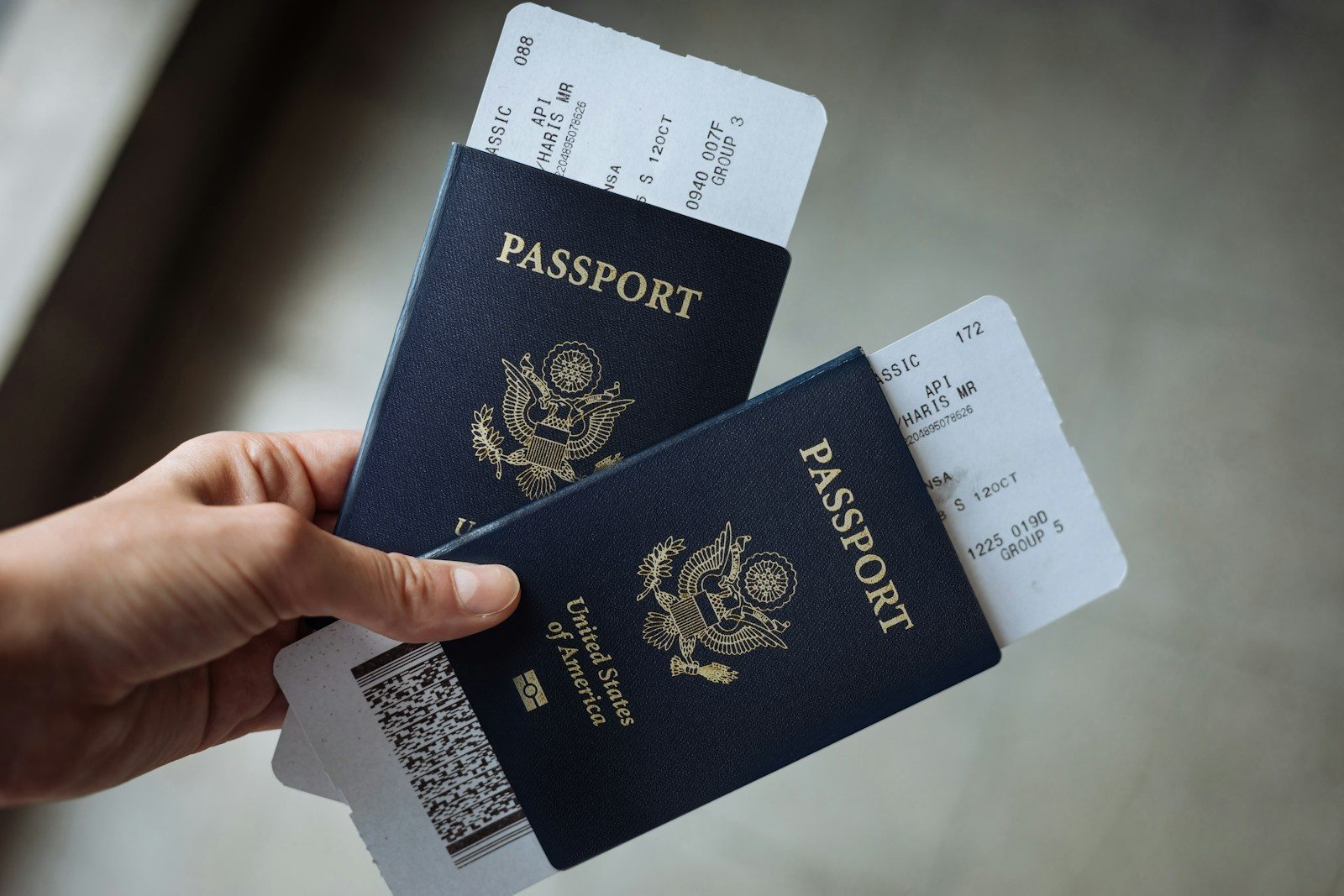

What is a Short-Term Visa?
A detailed guide to short-term visas, temporary travel authorization, visitor entry permits, visa validity periods, and international travel regulations.Short-Term Visa Definition
A short-term visa is an official authorization issued by a country’s immigration authorities that allows a foreign national to enter, remain in, or transit through its territory for a limited and temporary period. Short-term visas are designed for travelers who intend to visit a country for purposes that do not involve permanent settlement, long-term employment, or immigration.
These visas are commonly issued for tourism, business activities, family visits, medical treatment, cultural exchanges, conferences, sporting events, religious activities, short educational programs, and transit between destinations. The primary characteristic of a short-term visa is that the traveler is expected to leave the country before the authorized period of stay expires.
In modern immigration systems, short-term visas play a critical role in balancing international mobility with border security. Governments use visa programs to verify traveler identities, assess potential immigration risks, prevent illegal migration, and facilitate legitimate international travel.
Depending on the destination country, short-term visas may be issued as traditional visa stickers attached to passports, electronic visas (eVisas), digital travel authorizations, or biometric travel permissions stored electronically in government databases.
Purpose of a Short-Term Visa
The primary purpose of a short-term visa is to grant temporary legal entry for a specific activity while ensuring that visitors comply with immigration regulations. Immigration authorities use these visas to determine who may enter the country, how long they may remain, and what activities they may legally perform during their stay.
Short-term visas generally do not grant the right to:
- Permanent residence
- Long-term employment
- Citizenship benefits
- Access to public welfare programs
- Unlimited stays
- Permanent settlement rights
Instead, they are intended for temporary visits where the traveler maintains primary residence and significant ties outside the destination country.
Common Types of Short-Term Visas
| Visa Type | Main Purpose | Typical Stay |
|---|---|---|
| Tourist Visa | Leisure travel, sightseeing, vacations | 15–90 Days |
| Business Visa | Meetings, conferences, negotiations | 30–180 Days |
| Visitor Visa | Family and friends visits | 30–180 Days |
| Medical Visa | Medical treatment and consultations | 30–180 Days |
| Transit Visa | Passing through a country | 24 Hours–10 Days |
| Short-Term Study Visa | Language courses and training programs | 30–180 Days |
| Cultural Visa | Cultural and exchange programs | 30–90 Days |
| Sports Visa | Competitions and sporting events | Event Duration |
Typical Duration of Stay
The maximum permitted stay under a short-term visa varies significantly between countries and visa categories. Some countries permit stays of only a few days, while others may allow visitors to remain for several months.
A distinction must be made between visa validity and duration of stay:
- Visa Validity: The period during which the visa can be used to enter the country.
- Duration of Stay: The number of days a traveler may remain after entering.
For example, a visa may be valid for one year but permit only 90 days of stay during each visit.
Examples of Short-Term Visa Programs
| Country/Region | Visa Program | Typical Stay |
|---|---|---|
| Schengen Area | Schengen Short-Stay Visa | 90 days in 180 days |
| United States | B1/B2 Visitor Visa | Up to 6 months |
| Canada | Temporary Resident Visa | Up to 6 months |
| United Kingdom | Standard Visitor Visa | Up to 6 months |
| Australia | Visitor Visa | 3–12 months |
| New Zealand | Visitor Visa | Up to 9 months |
Required Documents for a Short-Term Visa
Although requirements vary by country, applicants are usually required to submit evidence proving their identity, travel plans, financial stability, and intention to return home.
- Valid passport
- Completed visa application form
- Recent biometric photographs
- Travel itinerary
- Round-trip flight reservation
- Hotel bookings or accommodation proof
- Bank statements
- Employment or business documentation
- Travel insurance
- Invitation letter (if applicable)
- Proof of family or economic ties to home country
Visa Application Process
- Determine the correct visa category.
- Complete the official visa application form.
- Gather required supporting documents.
- Pay the visa processing fee.
- Schedule an appointment if required.
- Submit biometrics and fingerprints.
- Attend an interview when necessary.
- Await immigration review and background checks.
- Receive approval or refusal decision.
- Travel within the visa validity period.
How Governments Assess Applications
Modern immigration authorities use sophisticated risk assessment systems to evaluate visa applications. Officers often review:
- Travel history
- Previous visa compliance
- Financial resources
- Purpose of travel
- Employment status
- Family ties
- Criminal history
- Security databases
- Immigration violation records
Many countries also integrate biometric verification, watchlists, and international data-sharing systems into the visa assessment process.
Single-Entry, Double-Entry, and Multiple-Entry Visas
| Type | Description |
|---|---|
| Single-Entry | Allows one entry only. Leaving the country usually ends the visa validity. |
| Double-Entry | Allows two separate entries during the validity period. |
| Multiple-Entry | Allows repeated entries while respecting maximum stay limitations. |
Visa Refusals
A short-term visa application may be refused for numerous reasons, including:
- Incomplete documentation
- Insufficient financial resources
- Unclear travel purpose
- False or misleading information
- Previous immigration violations
- Criminal or security concerns
- Failure to demonstrate intent to return home
Many countries provide mechanisms for appeal, administrative review, or reapplication after refusal.
Can a Short-Term Visa Be Extended?
Certain countries permit extensions under exceptional circumstances such as medical emergencies, humanitarian situations, natural disasters, flight cancellations, or other unforeseen events.
Extension requests must usually be submitted before the authorized stay expires. Approval is discretionary and subject to immigration regulations.
Consequences of Overstaying
Remaining in a country beyond the authorized period of stay may result in serious immigration consequences.
- Monetary fines
- Visa cancellation
- Removal or deportation
- Future visa refusals
- Temporary entry bans
- Permanent immigration records affecting future travel
Future of Short-Term Visas
Global visa systems are rapidly evolving through digital transformation. Governments increasingly use eVisas, electronic travel authorizations (ETAs), biometric verification, facial recognition, automated border control systems, and AI-assisted risk assessment technologies.
These innovations aim to simplify travel while strengthening border security and improving immigration compliance.
Important Note
A short-term visa does not guarantee entry into a country. Immigration officers at airports, land borders, and seaports retain the authority to approve or deny admission after reviewing travel documents and verifying compliance with entry requirements.
Travelers should always confirm current visa regulations, passport validity requirements, health regulations, and entry procedures before making travel arrangements.