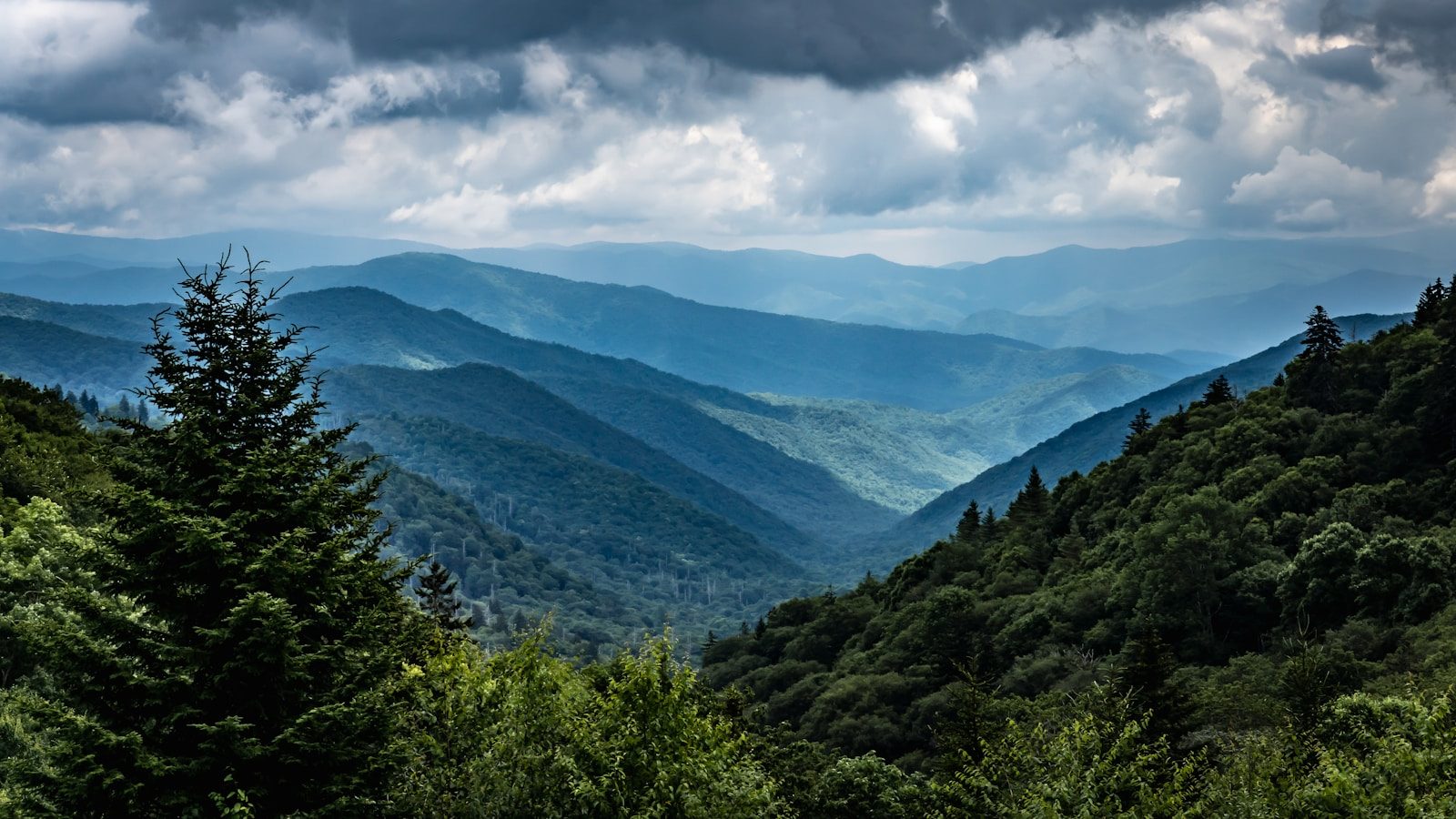
Human history in the Smokies is just as ancient. Indigenous peoples lived in the region for thousands of years, leaving behind evidence such as 10,000-year-old hunting tools and ceramics dating back to 700 BCE. When European settlers arrived during the 17th century, they encountered the Cherokee Nation, whose communities thrived along the river valleys. The Smoky Mountains stood at the heart of Cherokee territory until the forced removal known as the Trail of Tears.
In the early 1900s, large-scale logging operations threatened to destroy much of the region’s forests. Fortunately, a group of determined locals and conservationists fought to preserve the landscape, leading to the establishment of Great Smoky Mountains National Park in 1934.
Today, Great Smoky Mountains National Park is the most visited national park in the United States. Its popularity comes from both its natural beauty and its easy accessibility from major cities such as Knoxville, Atlanta, Washington, and North Carolina’s Research Triangle region.
The park was designed to be accessible to all kinds of travelers, with scenic drives, historic sites, waterfalls, wildlife viewing areas, and hundreds of hiking trails ranging from short walks to challenging backcountry routes. Whether you’re a casual traveler, a history enthusiast, a wildlife photographer, or an experienced backpacker, the Smokies offer something unforgettable.
One of the best parts? Entry to the park is completely free — no entrance fee or America the Beautiful pass is required.
If the Smokies are calling your name, keep reading for everything you need to know about when to visit, where to stay, what to see, the best campgrounds, and the top hiking trails to add to your bucket list. Whether it’s your first trip or your tenth, the Great Smoky Mountains always have something new to discover.
Hiking in Great Smoky Mountains National Park
Hiking is one of the best ways to experience the beauty of Great Smoky Mountains National Park. Part of the ancient Appalachian Mountain chain, the Smokies were formed more than 200 million years ago and were once believed to rival today’s Himalayas in height. Over time, wind, rain and erosion shaped the mountains into the rolling, mist-covered ridges visitors see today.
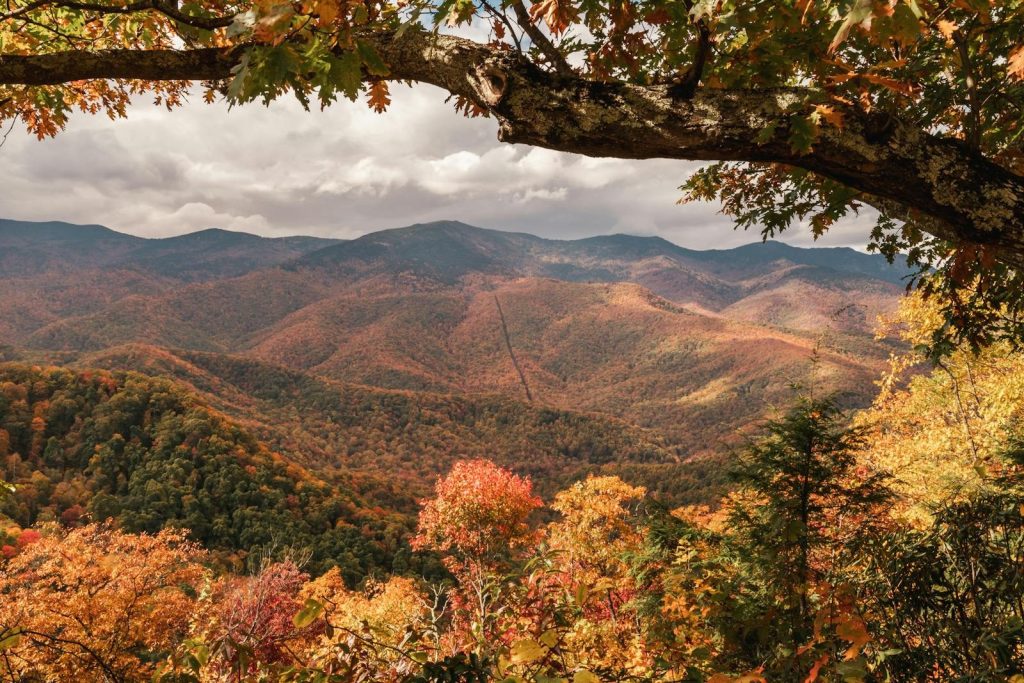
As you climb to high-elevation viewpoints, you’ll be rewarded with sweeping panoramas of endless blue-green mountain layers stretching to the horizon. The park is filled with scenic overlooks, peaceful forests, waterfalls and historic backcountry areas — including a famous mountaintop lodge accessible only by hiking trail.
With more than 800 miles of trails, the Smokies offer hikes for every skill level. You’ll find everything from easy waterfall walks and family-friendly nature trails to demanding multi-day backpacking adventures deep in the wilderness.
Clingmans Dome
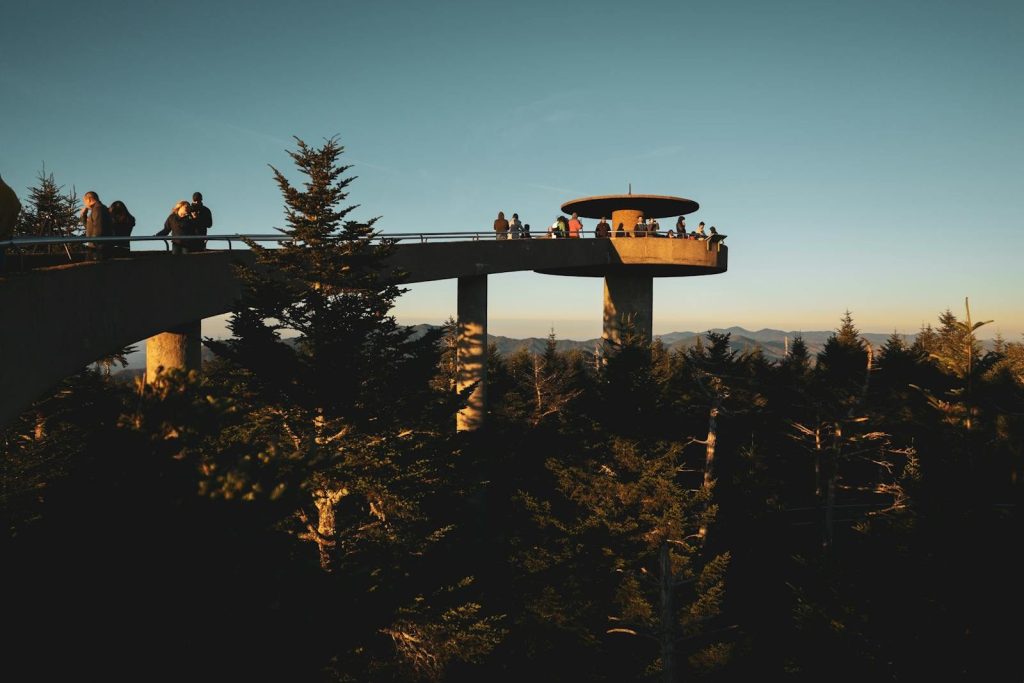
Clingmans Dome is the highest point in the national park and one of the most popular scenic spots in the Smokies. The observation tower at the summit provides breathtaking 360-degree views across the surrounding mountain ranges and forests.
Visitors can reach the tower via a short but steep paved trail, making it accessible for many travelers. Several major hiking routes also pass through the area, including sections of the legendary Appalachian Trail. During winter, when the access road closes due to snow and ice, the summit becomes even quieter and more peaceful.
The Appalachian Trail
The legendary Appalachian Trail stretches nearly 2,200 miles across the eastern United States, crossing 14 states from Georgia to Maine. Around 70 miles of the trail pass through the Smoky Mountains, following high ridgelines, dense spruce-fir forests and dramatic mountain viewpoints.
Even if you’re not planning a long-distance thru-hike, the Smokies offer excellent opportunities for shorter day hikes and overnight trips along this iconic trail.
Mount LeConte
One of the park’s most rewarding hikes leads to Mount Le Conte, the third-highest peak in the Smokies. Several routes climb to the summit, passing streams, waterfalls, wooden bridges and panoramic overlooks along the way.
At more than 6,500 feet above sea level, the summit delivers unforgettable mountain scenery and cooler temperatures during summer. Hikers can also visit the historic LeConte Lodge, which has welcomed guests since before the national park was officially established in 1934. Staying overnight in one of the rustic cabins is considered one of the most unique experiences in the Smoky Mountains, though reservations should be made far in advance.
Alum Cave Bluffs Trail
Among the most visited hikes in Great Smoky Mountains National Park, the trail to Alum Cave Bluffs is famous for its dramatic scenery and unique rock formations. Because it’s so popular, arriving early in the morning is the best way to avoid heavy crowds and enjoy a quieter experience on the trail.
The hike begins with peaceful forest scenery, wooden footbridges and streams flowing through old-growth woodland. One of the first major highlights is Arch Rock, where steep stone steps pass through a narrow natural rock arch that feels almost otherworldly.
After crossing Styx Branch, the trail becomes steeper as it climbs higher into the mountains. Dense forest gradually opens into exposed sections filled with mountain laurel and blueberry bushes, especially beautiful during spring and summer.
Further along, hikers reach Inspiration Point, a scenic overlook offering expansive mountain views and a perfect spot for a short break. A final uphill stretch leads to Alum Cave Bluffs itself. Despite the name, it’s actually not a true cave but a massive rock overhang carved into the mountainside. The area is also known for unusual mineral deposits, including sulfur and several rare geological formations.
For hikers wanting an extra challenge, the trail continues another 2.7 miles to the summit of Mount Le Conte.
Ramsey Cascades Trail
The hike to Ramsey Cascades is considered one of the most rewarding waterfall trails in the Smokies. The route passes through ancient forest filled with enormous tulip trees before reaching the tallest waterfall in the national park.
Although the beginning of the trail feels relatively gentle, the hike becomes significantly more demanding as elevation increases. Early sections follow the Middle Prong of the Pigeon River along a wide forest path, but after about 1.5 miles the terrain grows steeper and rockier.
As the trail climbs upward, hikers navigate exposed tree roots, uneven ground and scenic viewpoints overlooking the rushing river below. Around the middle portion of the hike, massive centuries-old trees tower above the forest canopy, creating one of the most impressive old-growth forests in the park.
The final stretch is the toughest, with a steep ascent leading to the spectacular 100-foot Ramsey Cascades waterfall. Water crashes down layered gray rock into a cool pool below, creating a refreshing reward after the strenuous climb.
Visitors should avoid climbing on the slippery rocks near the waterfall, as serious accidents have occurred there in the past. Instead, take time to relax near the base of the falls and look carefully around the surrounding rocks and streams, where salamanders and other wildlife are often spotted.
Camping in Great Smoky Mountains National Park
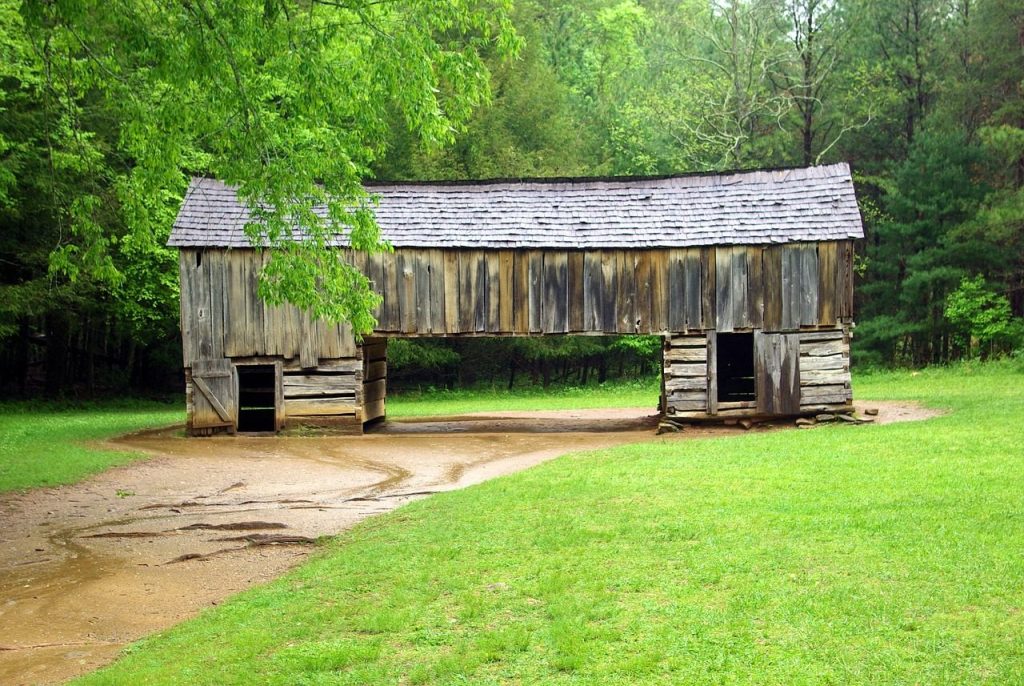
Camping is one of the best ways to experience the natural beauty of Great Smoky Mountains National Park. Visitors can choose from developed campgrounds, remote backcountry sites and rustic mountain lodging depending on their travel style and comfort level.
For travelers looking for traditional accommodations, LeConte Lodge is the park’s only lodging option. Reaching it requires a hike to the summit of Mount Le Conte, making it one of the most unique stays in the Smokies. Reservations should be made well in advance.
Outside the park, Gatlinburg offers the largest selection of hotels, cabins and vacation rentals near the Smokies, while nearby Pigeon Forge and Sevierville usually provide more budget-friendly options.
The National Park Service operates several developed campgrounds throughout the park with more than 900 campsites. Most campgrounds include restrooms, running water, picnic tables and fire grates, though showers and RV hookups are generally unavailable.
During peak travel seasons, campsites fill quickly, so advance reservations are strongly recommended. Popular campgrounds such as Cades Cove and Smokemont remain open year-round, while others operate seasonally.
Backcountry camping is also available for visitors seeking a more remote wilderness experience. Permits are required and can typically be obtained online or through visitor centers and ranger stations.
Before camping in the Smokies, visitors should review campground regulations, food storage requirements and wildlife safety guidelines, especially regarding black bears.