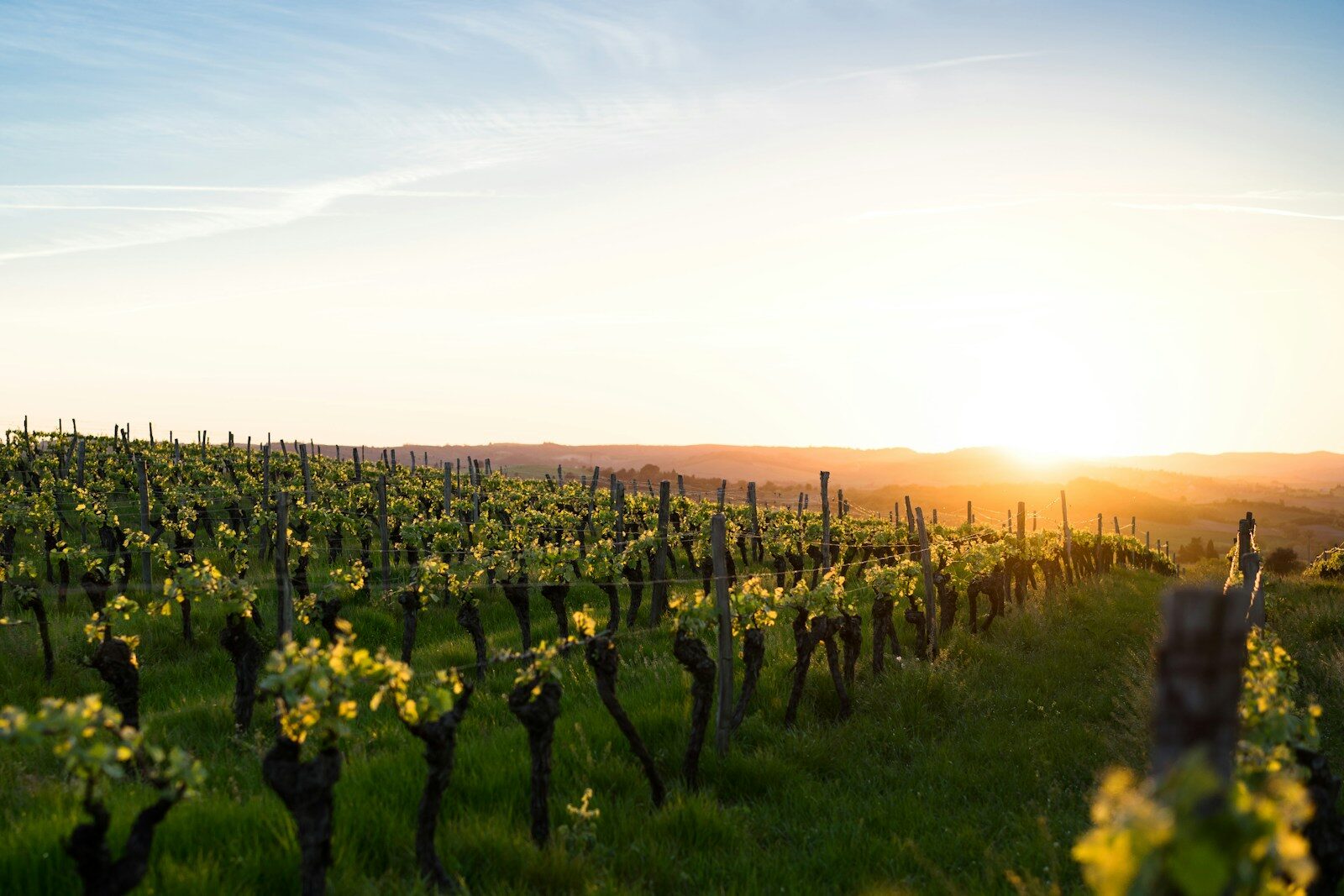
Wine runs through nearly every part of French life, from the dinner table to the country’s long, layered history. Travel from one corner of France to another and the glass in front of you changes completely: the effervescent bubbles of Champagne give way to the pale blush of Provence rosé, the bright acidity of an Alsace riesling, the structured depth of a Bordeaux red, or the crisp minerality of a Loire Valley white.
Whether this is your first trip to Paris or you’re heading further afield to explore another corner of the country, it’s worth carving out time for at least one proper wine tasting. Here’s a closer look at six of France’s most rewarding wine regions, what to look for on the label, and what to expect once you’re standing in the cellar.
Book a Wine-Tasting Trip in France
Why Is French Wine So Famous?
Climate and place are everything in winemaking. Each French wine region has its own terroir — the particular mix of soil, sun, rainfall, and topography that gives wine grown there a flavor and texture you can’t replicate anywhere else. France happens to have an unusually wide range of terroirs packed into one country, supporting hundreds of grape varieties, and wine has been produced here since roughly the 6th century BC.
Generations of French winemakers have refined — and in many cases formally standardized — how those grapes are grown and turned into wine. The result is a wine industry that consistently places near the top of international competitions, and names like champagne, bordeaux, and Provence rosé that are recognized (and poured) well outside France’s borders.
France’s Main Wine-Producing Grapes
France grows more than 200 wine grape varieties, many of which have since been planted in vineyards around the world. Chardonnay is the grape most associated with Champagne, while bordeaux drinkers will already be familiar with merlot and cabernet franc, two varieties that are very often blended together in the region’s reds.
French Wine Terms to Know Before You Go
A little vocabulary goes a long way at a French wine tasting. Here are the terms worth knowing before you start ordering:
- AOC (Appellation d’Origine Contrôlée): A designation that ties a wine to standards set for a specific geographical area, protecting the link between a wine’s name and where (and how) it’s actually produced — which is why you’ll never find champagne made in Provence. France has more than 300 of these appellations.
- AOP (Appellation d’Origine Protégée): Functions much like AOC, but the protection applies at the European Union level rather than just within France.
- IGP (Indication Géographique Protégée): Covers wines that may not come from one specific region, or that use a grape variety not typically associated with the area they’re produced in.
- Vin de France: The category for wines that don’t meet the requirements for either AOC or IGP status. The grape variety can be listed on the bottle, but the specific region cannot.
- Grand cru (“great growth”): The top tier of French wine quality, used in the Champagne and Bordeaux regions.
- Premier cru (“first growth”): In Bordeaux, this refers to wine from the region’s second-tier vineyards (just below grand cru).
- Château: A winery.
- Mis en bouteille au château: Indicates the wine was bottled on-site at the winery.
- Blanc de blancs: A white wine — typically sparkling — made entirely from white wine grapes.
- Blanc de noirs: A white sparkling wine made from red wine grapes.
- Crémant: Sparkling wine made using the traditional champagne method, but produced outside the Champagne region itself.
- Sélection de Grains Nobles: Means “selection of noble berries,” and describes wine made from grapes affected by noble rot — a fungus that concentrates sugar and flavor. You’ll see this term most often on bottles from Alsace.
- Noble rot: The fungus Botrytis cinerea, which shrivels grapes and produces a sweeter, more concentrated wine.
- Supérieur: Used in Bordeaux to indicate a wine with a higher alcohol content and longer required aging than the standard classification.
France’s Top Wine Regions for Tasting
From Mediterranean reds to Atlantic-influenced blends, these six regions cover an impressive range of what French wine has to offer.
1. Languedoc-Roussillon: Bold Reds With a Mediterranean Backbone
Languedoc-Roussillon actually combines two historic regions into one, and together they account for more vineyard land than anywhere else in France. The Mediterranean climate here is close to ideal for growing grapes, and the region built its reputation on red blends made from syrah, carignan, grenache, and mourvèdre — though sparkling, sweet, and white wines all have a strong presence too. Look out for Blanquette de Limoux, a sparkling wine with roots stretching back to the Middle Ages, during any tasting in the area.
While you’re in the region, it’s worth making time for the fortified medieval city of Carcassonne, a UNESCO World Heritage site, as well as a tasting stop in the nearby town of Béziers.
2. Champagne: Sparkling Wine Less Than an Hour From Paris
Champagne sits just 45 minutes outside the French capital, making it one of the easiest weekend wine trips from Paris. The region isn’t really one place — it’s five distinct areas grouped under a single name: Épernay, Reims, Sézanne, Troyes, and Vitry-le-François, each known for a slightly different style of bubbly. Reims tends toward pinot noir-driven wines best enjoyed after some bottle age, while Épernay is the place to look for chardonnay or pinot meunier-based styles.
This is also home to some of the most recognizable names in wine, including Veuve Clicquot and Moët & Chandon, both of which offer cellar tours and tastings.
3. Bordeaux: France’s Most Celebrated Reds
Set near the Atlantic coast, Bordeaux‘s vineyards grow mostly in chalky, sandy soils. The region is best known for red blends of merlot, cabernet sauvignon, and cabernet franc — three grapes that complement each other particularly well — and for its long-standing ranking system, in which grand cru and premier cru wines sit at the top. Bordeaux also produces excellent whites, typically blending muscadelle, sauvignon, and semillon grapes.
4. Alsace: Aromatic Whites on the German Border
Straddling the border between France and Germany, Alsace produces white wines that lean fruity, rich, and elegant rather than heavy. Riesling here can be dry, crisp, and acidic — a different style than many drinkers expect — while gewürztraminer brings a more floral, fruit-forward character. The region’s sparkling wine, Crémant d’Alsace, is made using the traditional champagne method in both white and rosé styles.
To get a real feel for the region, follow the Alsace Wine Route — the oldest established wine route in France — through towns like Strasbourg and Colmar.
5. Loire Valley: France’s Garden of White Wines
The Loire Valley follows France’s longest river east toward Nantes and west toward Orléans, and the granite, limestone, and chalk soils along its banks shape a distinctive terroir. This is where you’ll find some of France’s most respected white wines, including the sauvignon blancs of Sancerre, the muscadets grown near Nantes, and the chenin blancs of Vouvray. Reds have a smaller but worthwhile presence here too, including malbec, gamay, and cabernet franc.
One practical tip: the Loire Valley is also where tarte tatin originated, so save room for dessert.
6. Provence: The Heart of French Rosé
Sun-soaked and rosé-obsessed, Provence owes its limestone-rich soil and Mediterranean climate to a near-perfect rosé climate: warm days and cool nights that keep the grapes — mainly grenache, cinsault, and mourvèdre — crisp and aromatic rather than heavy. The region’s distinctive mistral wind also plays a role, intensifying flavor in the grapes it passes over. Subregions like Bandol and Cassis each bring their own character to the glass.
Frequently Asked Questions About Wine Tasting in France
Which wine region should I visit in France?
There’s no single right answer — it really comes down to the style of wine you enjoy. Bordeaux is the place for rich, structured reds, while the Loire Valley is best known for its refreshing whites. Just outside Paris, Champagne is essentially synonymous with sparkling wine, and Provence is the destination of choice for rosé. Alsace and Languedoc-Roussillon round things out with aromatic whites and bold, sun-soaked reds.
What is the wine capital of France?
Bordeaux is the region most commonly given that title, largely because of its scale, its centuries-long winemaking history, and the global reputation of its red blends.
What is the highest-quality wine classification in France?
Grand cru sits at the top of the French classification system, used most notably in the Champagne and Bordeaux regions.
Which wine region in France is the most scenic?
That’s a matter of taste, but the Loire Valley’s riverside castles and the Alsace Wine Route’s half-timbered villages are two of the most frequently cited contenders, alongside Provence’s lavender-and-vineyard landscapes.
How many wine regions does France have?
Beyond the six covered here, French wine is generally grouped into a handful of additional major regions, including Burgundy, the Rhône Valley, Jura, Savoie, Southwest France, and Corsica — bringing the commonly cited total to around a dozen, depending on how a given source draws the boundaries.
Ready to Plan Your Wine Tasting Trip in France?
From the sparkling cellars of Champagne to the sun-warmed vineyards of Provence, France rewards travelers willing to slow down for a glass — or several. Pick a region that matches what’s already in your glass at home, or use this guide as an excuse to try something new.