Argentina is one of those rare countries where the question “when should I go?” doesn’t have a single right answer — it depends entirely on what you’re hoping to experience. Stretching from the subtropical rainforests of Misiones in the north to the subpolar wilderness of Tierra del Fuego in the south, Argentina spans an extraordinary range of climates and ecosystems. Add to that its position in the Southern Hemisphere — where December is high summer and July is the depths of winter — and planning a trip requires a slightly different approach than most destinations.
The good news is that Argentina has something genuinely compelling to offer in every season. Summer brings long days and prime conditions for trekking in Patagonia. Autumn transforms the Andean wine country into a canvas of gold and copper, just in time for the grape harvest. Winter delivers world-class skiing in the Andes. And spring sees Buenos Aires erupt in purple jacaranda blossom while wildlife stirs along the Patagonian coast. Whether you’re planning a first visit or a return trip, this guide breaks down the best time to visit Argentina season by season — so you can choose the window that matches your dream itinerary.
Plan Your Argentina Trip with the Right Tour
1. Summer (December–February): The Best Time to Explore Patagonia
If Patagonia is on your itinerary — and for most visitors to Argentina, it should be — then December through February is the season you’ve been waiting for. These three months bring the warmest temperatures and the longest daylight hours to Argentina’s southern regions, creating ideal conditions for trekking, glacier tours, and long days spent exploring some of the most dramatic landscapes on the planet.
Daytime temperatures in Patagonia during summer typically sit between 65–70°F (18–21°C) — warm enough to be comfortable on the trails, but rarely oppressively hot. The skies are at their most reliably clear, offering the best possible views of iconic landmarks like Mount Fitz Roy near El Chaltén and the vast blue face of the Perito Moreno Glacier near El Calafate. The famous Ruta 40, one of the world’s great road trips, is also at its most accessible and rewarding during these months.
The trade-off is that summer is Argentina’s peak tourist season, particularly in Patagonia. Accommodation at popular national park gateways books out months in advance, and trail permits for routes like the W Trek in Chilean Torres del Paine can sell out equally fast. Book as early as possible — ideally six months or more ahead — if you’re planning a Patagonian adventure in January or February.
In Buenos Aires, summer brings a different energy. The city heats up considerably, with humidity climbing sharply through January and February. Many porteños (Buenos Aires residents) escape to the Atlantic coast during these months, leaving the city slightly quieter than usual — though still vibrant. December is a particularly pleasant time to visit the capital, with festive markets, outdoor concerts, and warm evenings that haven’t yet tipped into the full humidity of high summer.
Book a Patagonia Hiking and Glacier Tour
2. Autumn (March–May): Wine Harvests and Golden Landscapes
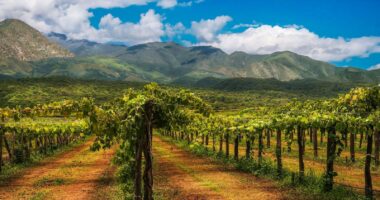
For many seasoned Argentina travellers, autumn is their favourite season in the country — and it’s not hard to see why. From March through May, the Andean foothills and wine-producing regions of Mendoza and Salta transform into a spectacular display of amber, gold, and crimson as the vines shed their leaves after harvest. The heat of summer gives way to crisp, clear days that are perfect for outdoor exploration without the punishing crowds of peak season.
March is particularly special in Mendoza, where the city hosts the Vendimia — Argentina’s celebrated annual grape harvest festival. The event draws visitors from across the country and beyond with parades, concerts, wine tastings, and the coronation of a harvest queen. Vineyards throughout the Mendoza and Salta regions open their doors for grape-picking experiences, cellar tours, and long, leisurely lunches paired with outstanding Malbec.
Buenos Aires is equally enchanting in autumn. The city’s wide boulevards and leafy parks take on a softer, more romantic quality as temperatures ease and golden leaves carpet the streets of neighbourhoods like Palermo and Recoleta. Hotel rates drop noticeably from their summer peaks, making this one of the best value windows for visiting the capital. Culinary travellers will find autumn’s seasonal produce at its most abundant — fresh vegetables, stone fruits, and artisan cheeses filling the city’s markets and restaurant menus.
Discover Winery Tours and Harvest Experiences in Mendoza
3. The Northwest Highlands: Best Visited in April–May or September–October
Argentina’s northwestern provinces of Salta and Jujuy occupy a world of their own — a high-altitude landscape of vivid rock formations, vast salt flats, colonial towns, and pre-Columbian archaeological sites that feels entirely distinct from the rest of the country. Getting the timing right matters here, and the shoulder seasons of April–May and September–October consistently deliver the best conditions.
During these windows, temperatures are mild and rainfall is minimal, allowing you to explore sites like the UNESCO-listed Quebrada de Humahuaca, the polychrome Seven-Colored Hill at Purmamarca, and the blinding white expanse of the Salinas Grandes salt flats in genuine comfort. Summer brings heavy rains that can disrupt travel and reduce visibility in the canyon landscapes, while winter nights at altitude can be bitterly cold. The shoulder months neatly sidestep both extremes.
Beyond the practical advantages, these periods also mean significantly fewer tourists at some of Argentina’s most photogenic sites. The clarity of autumn and spring light brings out the extraordinary range of colours in the rock formations — ochres, purples, reds, and greens — that make the northwest so visually distinctive. For photographers in particular, the soft, directional light of these seasons is difficult to beat.
Explore the Salt Flats and Coloured Hills of Northwest Argentina
4. Iguazu Falls: Best Experienced from April to June
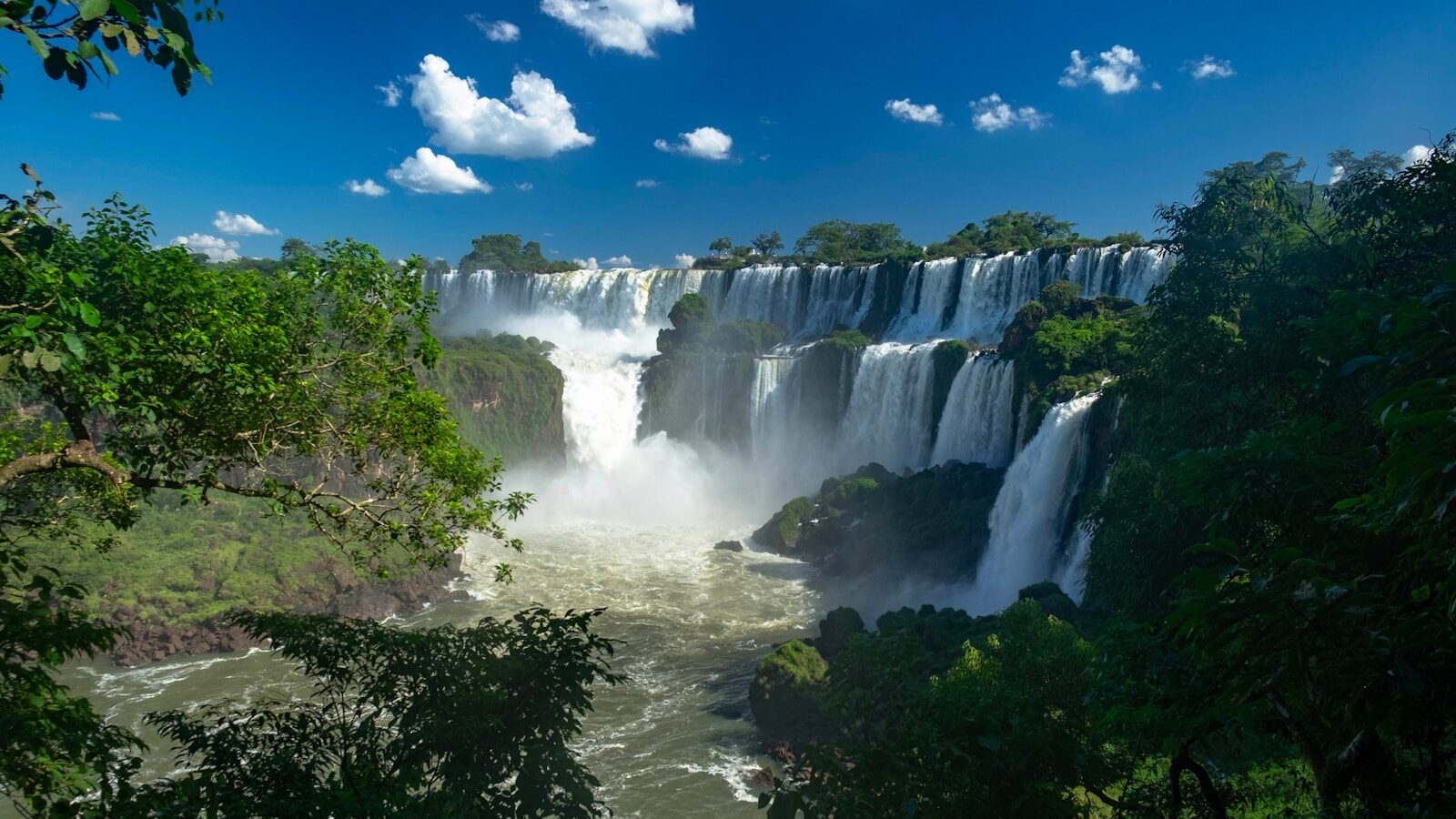
Iguazu Falls is one of those natural wonders that defies expectations regardless of when you visit — the sheer scale and power of 275 individual cascades thundering through subtropical rainforest is difficult to fully prepare for. But if you’re able to choose your timing, April through June hits a particularly satisfying sweet spot.
By April, the summer rains have passed but water levels remain high, meaning the falls are running at impressive volume without the risk of flooding that can occasionally close walkways during the wettest months. Temperatures settle into a comfortable 70–80°F (21–27°C) range — warm and humid, as you’d expect from a subtropical environment, but noticeably more manageable than the intense heat of January and February. Crowds thin considerably compared to peak season, making it easier to find space on the viewing platforms and trails.
Wildlife activity in the surrounding national park also improves during these months. Toucans, coatis, capuchin monkeys, and hundreds of species of butterflies are more frequently spotted in the forest canopy and along the park’s trails as the post-summer activity picks up. For a destination that straddles the border between Argentina and Brazil, this is also a smart time to cross to the Brazilian side of the falls — shorter queues and better light conditions on the panoramic walkways make the experience even more rewarding.
Book an Iguazu Falls Tour from the Argentine Side
5. Winter (June–August): World-Class Skiing in the Andes
Argentina’s winter rarely gets the attention it deserves on the international travel circuit, which is rather good news for those who know about it. From June through August, the Andes receive significant snowfall, transforming the mountain resorts near San Carlos de Bariloche into some of the finest skiing destinations in the Southern Hemisphere.
Cerro Catedral, located just outside Bariloche, is the largest and best-known ski resort in South America — a full-scale mountain operation with runs suited to every level of skier and snowboarder, a comprehensive network of lifts, ski schools, and an après-ski scene set against the backdrop of the Andean lakes. Cerro Otto, also near Bariloche, offers a more relaxed alternative with panoramic cable car rides and family-friendly facilities. In the far south, Ushuaia positions itself as the world’s southernmost ski resort — a genuinely unique experience in its own right.
Beyond the slopes, winter is also a rewarding time to explore Bariloche itself — a charming alpine-influenced town famous for its chocolate shops, craft beer, and proximity to some of the most scenic lake and mountain landscapes in Argentina. Hotel rates are higher than in shoulder season but remain competitive with equivalent ski destinations in Europe and North America.
Go Skiing and Snowboarding in Argentina’s Andean Resorts
6. Spring (September–November): Tango Season and Wildlife in Buenos Aires
Spring is arguably the most well-rounded time to visit Argentina, particularly for first-timers. From September through November, temperatures across the country are pleasant without being extreme, crowds are smaller than in peak summer, and both Buenos Aires and the natural world are at their most visually striking.
For Buenos Aires, spring brings two things that make it genuinely special: tango season and jacaranda season. The city’s tango calendar fills up with festivals, competitions, and neighbourhood milongas (outdoor tango gatherings) held in parks and plazas as the weather warms. The most famous, the Buenos Aires Tango Festival, typically takes place in August and extends into September — drawing dancers and audiences from around the world. Meanwhile, October and November see the city’s streets and parks blanketed in cascades of purple jacaranda blossom, one of the most photographed urban spectacles in South America.
Spring temperatures in Buenos Aires sit comfortably between 60–75°F (15–24°C), making long evenings in the city’s tango venues, restaurants, and open-air bars genuinely enjoyable. Hotel rates are lower than in December and January, and the cultural calendar is packed. Along the Patagonian coast, spring is also the optimal season for wildlife watching on the Valdés Peninsula, where elephant seals, sea lions, Magellanic penguins, and migrating whales gather in impressive numbers.
Experience Tango Shows and Buenos Aires Nightlife
7. Spring Wildlife Watching: September–November on the Patagonian Coast
While Buenos Aires blooms and buzzes with tango in spring, Argentina’s Patagonian coastline undergoes its own spectacular seasonal awakening. September through November is the single best window for wildlife watching along the Atlantic coast, particularly on and around the UNESCO-listed Valdés Peninsula in Chubut Province.
Southern right whale mothers and their calves are present in the sheltered Gulf Nuevo and Gulf San José from around June through December, with October typically offering the highest concentration of whales close to shore. Magellanic penguins arrive at their breeding colonies from September, with numbers peaking in November and December. Elephant seals and South American sea lions are present year-round on the peninsula’s beaches, but spring sees them at their most active as breeding season gets underway.
For photographers, the quality of spring light in Patagonia — long golden hours in the morning and evening, with clear skies and minimal haze — makes this one of the most rewarding times of year to point a camera at Argentina’s extraordinary natural world. September also falls within the off-season for much of the country, meaning budget-conscious travellers can access these experiences at significantly lower prices than in the summer peak.
Book Wildlife and Photography Tours on the Valdés Peninsula
8. Christmas in Buenos Aires (December): Festive Energy and Summer Nights
December occupies a unique position in the Argentine calendar — it’s simultaneously the start of summer, the beginning of peak tourist season, and one of the most culturally vibrant times to be in Buenos Aires. As temperatures climb and the days lengthen, the city shifts into a festive mode that has its own distinctly Argentine character.
Christmas in Argentina is centred on Nochebuena — Christmas Eve on the 24th of December — rather than the 25th. Families gather for large late-night dinners, and as midnight approaches, Buenos Aires erupts in fireworks launched from neighbourhoods across the city. The spectacle is genuinely impressive, particularly from a rooftop or one of the city’s elevated parks. Street markets, outdoor concerts, and evening performances fill the weeks leading up to Christmas, and the long summer evenings are perfectly suited to exploring Buenos Aires’ famous food and drink scene.
From a practical standpoint, early December — before schools break up and domestic tourism peaks — offers a window where you can enjoy the festive atmosphere and summer energy without the full intensity of January crowds. Prices begin to rise through the month, so booking accommodation and tours ahead of time is particularly important if you’re planning a December visit.
Explore Buenos Aires’ Food, Drink, and Festive Experiences
Final Thoughts: Choosing the Best Time to Visit Argentina
The honest answer to “when is the best time to visit Argentina?” is that it depends entirely on where you’re going and what you want to do. For Patagonia, summer (December to February) is unbeatable. For wine country and the northwest, autumn (March to May) and early spring (September to October) deliver the best combination of conditions and value. For skiing, winter (June to August) is the obvious choice. And for Buenos Aires culture, tango, and wildlife, spring (September to November) consistently hits the sweet spot between great weather, lower prices, and a full cultural calendar.
What Argentina rarely offers is a truly “wrong” time to visit. Even the quieter winter months have their own rewards — from the pristine ski slopes of the Andes to the moody, atmospheric streets of a Buenos Aires that feels more like a city than a tourist destination. Plan around your priorities, book ahead for the popular seasons, and you’ll find Argentina ready to deliver regardless of when you arrive.
Find and Book the Best Tours and Experiences in Argentina
FAQs: Best Time to Visit Argentina
What is the best time to visit Argentina?
The best overall time to visit Argentina is November through March, which corresponds to the Southern Hemisphere’s spring and summer. This period offers warm, pleasant weather across most of the country and is ideal for outdoor activities, trekking in Patagonia, exploring Buenos Aires, and visiting the Atlantic beaches. That said, the optimal timing really depends on your specific itinerary — each region has its own seasonal sweet spot.
What is the best month to visit Argentina?
For a well-rounded first visit, November and March are both excellent choices. November offers the best of spring — mild temperatures, fewer crowds than peak summer, the start of jacaranda season in Buenos Aires, and good wildlife watching conditions along the Patagonian coast. March brings the grape harvest season in Mendoza and one of the year’s great festivals, Vendimia, along with beautiful autumn colour in the Andean wine regions.
When is the cheapest time to visit Argentina?
The most affordable period to visit Argentina is generally April through September, which covers the autumn and winter months. During this time you’ll find lower rates on flights and accommodation — particularly in Buenos Aires and popular Patagonian destinations — along with smaller crowds at major attractions. The exception is ski resorts near Bariloche, which see higher prices and more visitors during the June to August winter season.
When is the most expensive month in Argentina?
December is typically the most expensive month, as it marks the start of the summer holiday season and coincides with Christmas and New Year festivities. Domestic tourism surges during this period, driving up accommodation and flight prices — especially in Buenos Aires and Patagonia. January and February remain expensive for similar reasons, though early December can offer better value before the school holidays begin in earnest.
When is the peak tourist season in Argentina?
Argentina’s peak tourist season runs from December through February, the Southern Hemisphere’s summer. Expect higher prices, fully booked accommodation in popular destinations, and busier trails and attractions during this window — particularly in Patagonia, Buenos Aires, and the Atlantic coastal resorts. Booking well in advance (often six months or more for Patagonia) is strongly recommended if you plan to travel during peak season.