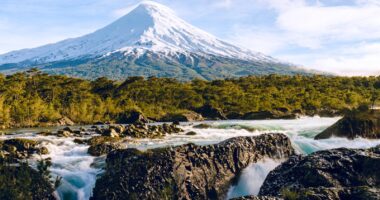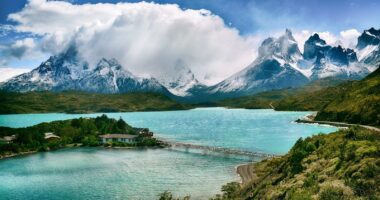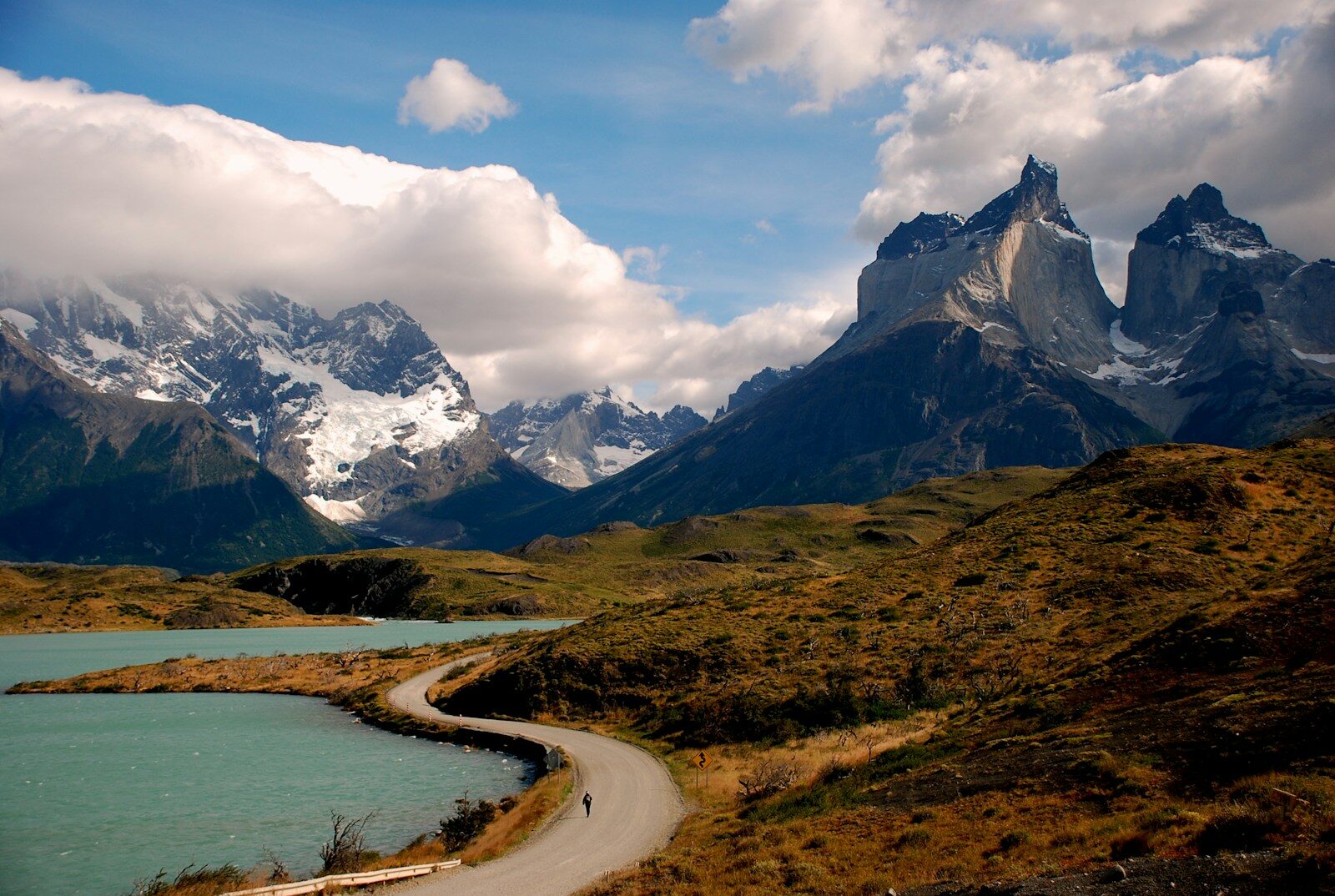
A narrow ribbon of land wedged between the towering Andes and the endless Pacific, Chile is practically built for a road trip. Where else can you drive from a desert that makes Mars look lush to glaciers that crack and groan at the bottom of the world — all within the same country? The best road trips in Chile deliver jaw-dropping contrasts at every turn: alien salt flats, glittering alpine lakes, vine-draped valleys, and cliff-hugging coastal highways that will make your palms sweat in the best possible way.
Whether you’re chasing the dramatic ice fields of Patagonia, hunting for the perfect glass of Carménère in wine country, or simply pointing the wheel south and seeing what unfolds, Chile rewards the curious traveler with scenery that routinely defies belief. Stock the cooler with empanadas, charge your camera, and get ready to discover why this “country of poets” is also one of the world’s greatest road trip destinations. Here are the five best routes to put on your map.
Discover Chile on a Guided Road Trip Adventure
1. The Panamericana — Ruta 5: Chile’s Ultimate End-to-End Drive
Best for: Seeing everything Chile has to offer in one epic journey
Route Information
- Distance & driving time: 2,090 miles (3,364 km); allow 2–3 weeks
- Best time of year: Spring (September–November) or fall (March–May) for comfortable temperatures and manageable crowds
- Road conditions: Smooth, well-maintained highways on main stretches, with pothole-riddled side roads and the occasional dirt track the further off the beaten path you venture
Why Drive Ruta 5?
Ruta 5 is Chile’s slice of the legendary Panamericana — a highway system that stretches roughly 19,000 miles (30,000 km) from Alaska to the southern tip of South America. The full route takes anywhere from six months to a lifetime to complete, but the Chilean leg alone is a world-class adventure in its own right.
Stretching from the sun-bleached border town of Arica in the far north all the way down to the rugged port of Puerto Montt at the gateway to Patagonia, this drive runs the full length of the country. Along the way it threads together everything that makes Chile extraordinary: bone-dry Atacama Desert, chaotic metropolises, colorful port cities, patchwork farmland, and ancient island cultures. It’s the definitive “see it all” Chile road trip, and it delivers.
Key Stops Along the Ruta 5
- Arica: Kick off the journey in this sun-drenched coastal city with a stop at the Morro de Arica viewpoint, where ocean panoramas stretch as far as the eye can see.
- San Pedro de Atacama: Detour into the driest desert on Earth for the surreal Valley of the Moon, blinding white salt flats, and the iconic Hand of the Desert sculpture rising unexpectedly from the sand.
- Valparaíso: Ride the rickety ascensores (funicular lifts) up steep hillsides plastered with world-class street art, then pull up a stool for a tart pisco sour by the water.
- Santiago: Budget at least two days in Chile’s cosmopolitan capital. The 150-stall Central Market is the perfect place to feast on pastel de choclo (corn casserole) and watch the city hustle around you.
- Chiloé Island: End the main highway portion with a ferry crossing to this enchanting island, where rainbow-colored stilt houses (palafitos) line the waterfront and 16 UNESCO-listed wooden churches dot the landscape — including the painted-clock Church of Ichuac and the timber-built Church of Detif.
Book a Walking Tour of Santiago
2. The Carretera Austral: Patagonia’s Most Legendary Drive
Best for: Adventurers who want to experience the raw, untamed edge of the world
Route Information
- Distance & driving time: Approximately 770 miles (1,240 km); 7–10 days at a comfortable pace
- Best time of year: Summer (December–March) for the most reliable weather and passable roads
- Road conditions: A mix of sealed tarmac and gravel roads, with mandatory ferry crossings at several points along the route
Why Drive the Carretera Austral?
If the Ruta 5 is Chile’s great connector, the Carretera Austral is its wild soul. Stretching south from the windswept port of Puerto Montt to the remote frontier town of Villa O’Higgins — a place accessible only by this road or by boat — this route plunges deep into the Patagonian wilderness and doesn’t apologize for it.
Hanging glaciers pour off mountain flanks. Fjords slice silver through ancient forests. Rivers run aquamarine shades that look digitally enhanced until you’re standing beside them. This is one of the most dramatic road trips on the planet, and it earns every superlative thrown at it. Expect river crossings, gravel stretches that rattle your fillings loose, and sunsets that will stop you mid-sentence.
Key Stops Along the Carretera Austral
- Pumalín Park: One of the largest private nature reserves in the world, Pumalín is a wonderland of ancient alerce rainforests, temperamental volcanoes, and dozens of hidden waterfalls. The Cascadas Escondidas Trail winds through a series of plunging pools and cascades, while the caldera of Chaitén Volcano stands as a dramatic reminder of nature’s raw power.
- Queulat National Park: Pull over and stare — you’ll want to — at the Hanging Glacier, a wall of ancient ice clinging to a cliff face above a mist-draped forest. It’s one of those sights that makes you feel genuinely small.
- Marble Caves: Carved over thousands of years by the mineral-rich waters of General Carrera Lake, these swirling marble formations are among the most visually stunning natural wonders in all of South America. Kayak or take a boat tour to appreciate the full effect of the rippling blue patterns reflected off the water.
- Villa O’Higgins: The road ends here — literally. This remote, barely-on-the-map town is one of the most isolated communities in Chile, accessible only to those willing to make the full journey south. Reaching it feels like a genuine achievement.
Explore Glaciers and Patagonia Tours
3. The Wine Route — Ruta del Vino: A Road Trip for the Senses
Best for: Wine lovers, foodies, and anyone who considers “scenic vineyard backroads” a legitimate adventure category
Route Information
- Distance & driving time: Approximately 250 miles (400 km), though the route varies by itinerary; allow 3–4 days
- Best time of year: Fall (March–May) for the grape harvest, when the vineyards are at their most active and the valleys glow golden
- Road conditions: Well-paved main highways with beautiful scenic backroads winding between estates
Why Drive the Ruta del Vino?
Chile’s Wine Route doesn’t demand adrenaline — it asks for an open mind, a good corkscrew, and a willingness to spend afternoons doing absolutely nothing beyond watching afternoon light fall across terraced vines. Threading through five of Chile’s most celebrated wine regions in the country’s heartland, Ruta del Vino is the romantic counterweight to Patagonian extremes.
From the ancient grape-growing valleys of Maule to the breezy coastal hills of Casablanca, this drive delivers bold reds, crisp whites, and mountain views that would be reason enough to visit even without the wine. Pair the drive with a detour through serene Aconcagua and a stop in the historic colonial town of Santa Cruz for a well-rounded taste of Chilean culture.
Key Stops Along the Wine Route
- Maule Valley: One of Chile’s oldest wine regions and the heartland of the French Carménère grape, which thrives in Maule’s warm continental climate and produces deeply aromatic, complex reds unlike anything grown elsewhere.
- Casablanca Valley: Chile’s coolest wine region sits close to the Pacific coast, making it perfect for crisp whites and light Pinot Noir. While you’re here, swing through nearby Valparaíso — a UNESCO-listed port city famous for its technicolor hills, bohemian spirit, and exceptional seafood.
- Colchagua Valley: Hike up Chaman Hill for sweeping panoramic views of the valley below before descending to sample some of Chile’s finest Cabernet Sauvignon and Syrah at estate cellars.
- Santa Cruz: The self-styled wine capital of Chile sits tucked among coastal mountains and is home to the absorbing Colchagua Museum, which traces the full arc of Chilean history from pre-Columbian cultures through independence.
- Maipo Valley: Save the best for last with Maipo’s legendary Cabernet Sauvignon, grown in the shadow of the Andes just south of Santiago. It’s a fittingly grand finale to the wine route.
Book Wine Tasting Tours in Chile’s Valleys
4. The Coastal Route — Ruta 1: Surf, Seafood, and Sea Cliffs
Best for: Coastal explorers, surfers, seafood enthusiasts, and anyone who wants a Pacific backdrop to their adventure
Route Information
- Distance & driving time: Approximately 372 miles (599 km); 4–5 days at a relaxed, beach-hopping pace
- Best time of year: Summer (December–March) for optimal beach weather and reliable surf
- Road conditions: Well-paved coastal highways with some winding scenic cliff roads that require extra care
Why Drive Ruta 1?
Chile’s coastline is one of South America’s great secrets. Stretching for thousands of miles along the Pacific, it shifts between rugged sea cliffs, sleepy fishing towns where the catch still comes in by boat each morning, and world-class surf breaks that draw riders from across the globe. Ruta 1 captures the best of it, beginning in the coastal-desert city of Iquique in the north and winding down to the gritty, characterful port of Antofagasta.
Along the way, the road passes through the lunar terrain of the Atacama Desert as it meets the ocean — one of the most disorienting and spectacular landscapes on the continent — before arriving in cities full of personality: UNESCO-listed Valparaíso, the beloved surf capital Pichilemu, and gastronomic Concón, where the empanadas alone are worth the detour.
Key Stops Along Ruta 1
- Iquique: Start in this historic coastal city with a stroll through Plaza Prat, where a beautiful Clock Tower built from Oregon pine stands as the city’s defining landmark. Then head to El Cerro Dragón — the longest sand dune in the world — for a perspective-shifting view of the city below.
- Valparaíso: A required stop on any Chilean coastal itinerary, Valparaíso’s UNESCO-listed historic center is a maze of vertiginous hills, electric street murals, and lively seafood markets. Ride the funiculars, eat well, and stay longer than you planned.
- Concón: This small city punches well above its weight gastronomically. Its legendary empanadas — fresh from wood-fired ovens steps from the beach — are famous across Chile, and the surrounding sand dunes are perfect for sandboarding.
- Pichilemu: Chile’s undisputed surf capital attracts beginners and pros alike to its consistent Pacific swells. Even non-surfers will enjoy the unhurried beach-town pace and the waves crashing just below the café terraces.
- Antofagasta: The coastal road trip ends in this northern port city, which earns its place on the itinerary thanks to La Portada — a stunning natural stone arch rising from the Pacific just offshore — and some of the clearest, darkest night skies in the hemisphere, making it a prime stargazing destination.
Book a Stargazing Experience in the Atacama
5. The Lake District Loop: Volcanoes, Forests, and Turquoise Waters
Best for: Hikers, nature lovers, skiers, and anyone who wants the scenery of the Swiss Alps with a volcanic twist
Route Information
- Distance & driving time: Approximately 600 miles (960 km); 6–8 days recommended
- Best time of year: Summer (December–March) for hiking and water activities; winter (June–August) for skiing on the volcano slopes
- Road conditions: Mostly sealed roads with some winding mountain stretches that require attention
Why Drive the Lake District Loop?
If Patagonia is Chile’s wild south, the Lake District is its pastoral heart — a region so inexplicably beautiful that European settlers who arrived in the 19th century immediately set about building German-style houses and pretending they’d never left Bavaria. The landscape does rather invite that kind of fantasy: snow-capped volcanoes reflected in mirror-still lakes, emerald forests thick with ancient monkey puzzle trees (araucarias), and alpine towns with clock towers, flower boxes, and craft beer on tap.
The Lake District Loop begins and ends in Puerto Montt, the self-described “Gateway to Patagonia,” and sweeps through a circuit of some of the most photogenic scenery in the southern hemisphere. Unlike the raw extremes of the Carretera Austral, this route feels accessible and intimate — perfect for families, first-time Chile visitors, or anyone who wants adventure without suffering for it.
Key Stops Along the Lake District Loop
- Pucón: This adventure-sports hub sits at the foot of the perfectly conical Villarrica Volcano, one of Chile’s most active. Experienced hikers can ascend to the crater rim for a genuine glimpse of a lava lake — arguably the most dramatic view available anywhere in Chile without boarding a plane.
- Llanquihue Lake: Chile’s second-largest lake is a natural mirror, reflecting the twin peaks of Osorno and Calbuco volcanoes with startling clarity on calm mornings. Bring a camera and arrive early.
- Puerto Varas: Built by German settlers in the 1850s, Puerto Varas retains its Central European character in the architecture and excellent kuchen (pastry), while offering thoroughly Chilean outdoor adventures including fishing, river rafting, and skiing on the Osorno Volcano.
- Lake Todos Los Santos: Also known as Esmeralda Lake for the unusual green of its waters, this pristine lake sits deep in a valley between forested ridges and is best explored by kayak or a slow afternoon boat tour.
Join a Villarrica Volcano Climbing Tour
Practical Travel Tips for Driving in Chile
Before you hit the road, a few practical points worth knowing. Chile’s major routes are generally in excellent condition and well-signed, but some of the country’s most spectacular scenery is only accessible via unpaved gravel roads — especially on the Carretera Austral. A 4WD or high-clearance vehicle is strongly recommended for any route that ventures off the main highways.
Foreign tourists can drive in Chile for up to 90 days using a valid driver’s license from their home country — no international permit is required for most nationalities, though carrying an International Driving Permit (IDP) alongside your national license is never a bad idea. Car rental rates typically run between USD $40 and $65 per day depending on the vehicle type and season. Book well in advance for summer travel (December–March), when demand peaks and the best vehicles disappear quickly.
Fuel stations are plentiful on main routes but can be spaced far apart in remote regions like Patagonia. Carry extra fuel when venturing off the main roads, and always top up when you have the opportunity. The same rule applies to cash — card acceptance remains inconsistent outside of cities and larger towns.
FAQs: Best Road Trips in Chile
What is the most famous road trip in Chile?
The Carretera Austral is widely regarded as Chile’s most celebrated road trip. Running for over 1,200 kilometers through the heart of Chilean Patagonia, it offers access to fjords, hanging glaciers, ancient rainforests, and some of the most remote communities on the continent. For sheer drama and isolation, nothing else in Chile quite compares.
Can tourists drive in Chile?
Yes — tourists can legally drive in Chile using a valid driver’s license from their home country for up to 90 days, which aligns with the standard tourist permit. Car rentals are widely available in major cities and airports. It’s worth noting that insurance options can vary, and some rental companies may impose additional conditions for drivers without a Chilean or international license, so read the fine print before signing.
Is driving in Chile difficult?
Driving in Chile is generally straightforward. Main highways are well-maintained, clearly marked, and easy to navigate even for first-time visitors. Challenges arise mainly on remote gravel roads — particularly on the Carretera Austral — where conditions can be rough and distances between services are significant. On the whole, Chile is one of South America’s most road-trip-friendly countries.
How long does it take to drive the Carretera Austral?
Most travelers take between seven and ten days to complete the Carretera Austral, though the pace and number of side trips you take will significantly affect the timeline. The best window for travel is late October through late February, when roads are most accessible and the weather is most cooperative. Budget roughly USD $40–$65 per day for car rental, and plan for ferry crossings that can add time (and a lot of scenery) to the journey.
What are the highlights of the Carretera Austral?
The Carretera Austral is defined by its extraordinary natural diversity: ancient lenga beech and alerce forests, glacial rivers in impossible shades of blue, hanging glaciers, and a pace of life that feels refreshingly disconnected from the modern world. For those interested in more structured trekking, the nearby destinations of El Chaltén (just across the border in Argentina) and Torres del Paine are world-class additions to any Patagonia itinerary.
Do I need an international driver’s license for Chile?
Not strictly — tourists can drive in Chile using a valid national driver’s license for non-commercial vehicles. However, carrying an International Driving Permit (IDP) alongside your home license is recommended as a backup, particularly if your license is not in Spanish or uses a non-Latin alphabet. Ensure your license remains valid for the full duration of your trip.
What are some great road trips from Santiago?
Santiago is an excellent launchpad for shorter road trips. Options include the scenic Maipo Canyon just south of the city, the wine valleys of Casablanca, Maipo, and Colchagua, and the Pacific coast via Valparaíso and Viña del Mar. Nature lovers can head to the hiking trails of Altos de Cantillana, while those seeking tranquility will find Laguna Verde and the beaches of Playa Las Docas within easy reach. Even a day trip to the Bahá’í Temple, set in the hills above the capital, rewards the drive.
What is the most scenic road in Chile?
It’s a fiercely contested title. Strong candidates include the highland drive from Calama to Visviri through the altiplano, the dramatic coastal run from Tal Tal to Paranal where desert meets ocean, the verdant valley road from Llanquihue to Puerto Octay in the Lake District, and the remote southern drive from Porvenir to Lago Fagnano in Chilean Tierra del Fuego — a journey that genuinely feels like the end of the world. Each route offers something distinct; the honest answer is that Chile is full of beautiful roads, and choosing just one is largely a matter of what kind of landscape speaks to you.
Start Planning Your Chile Road Trip
Chile is one of those rare countries where the journey genuinely rivals the destination. Whether you’re threading the Andes on a 2,000-mile Panamericana epic, inching through Patagonian gravel on the Carretera Austral, or coasting between vine-covered valleys on the Ruta del Vino, every mile throws something new at the windscreen. Plan your route, pack light, and leave room in the itinerary for the unexpected — because in Chile, the unexpected is usually the best part.