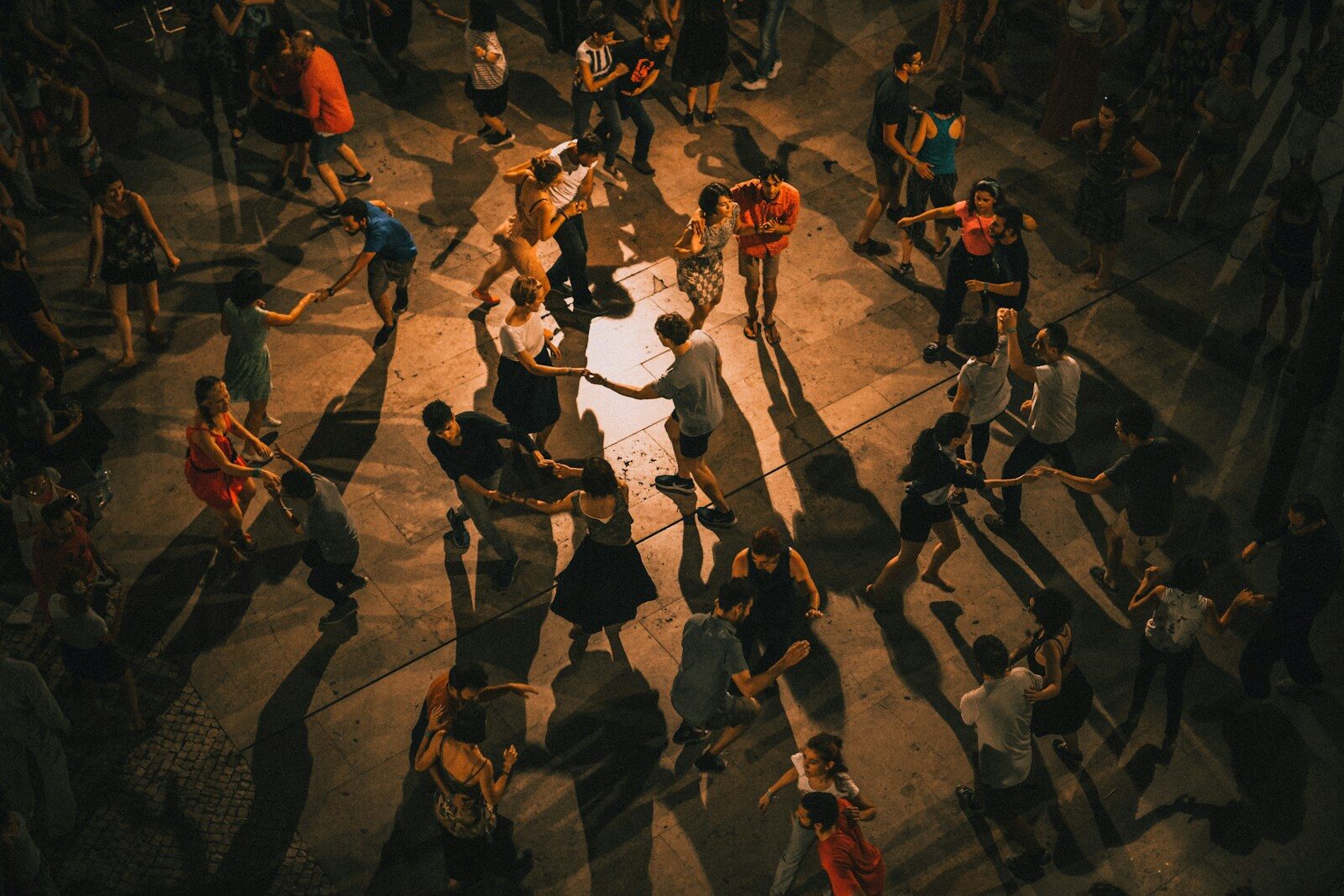

Salsa isn’t just a dance in Colombia — it’s woven into the fabric of daily life. From the lightning-fast footwork of Cali to the breezy coastal rhythms of Cartagena, every Colombian city adds its own flavor to this iconic Latin dance. Whether you’re a total beginner or simply want to soak up a new culture through movement, this guide covers everything you need to know about salsa dancing in Colombia: where to go, what to expect, and how to jump in — no experience required.
Book Salsa Dance Classes & Shows in Colombia
What Is Salsa Dancing?
Salsa was born in the Caribbean, shaped by a powerful blend of Cuban son, African rhythms, and jazz. It came into its own in New York City during the 1960s and 70s, where Cuban, Puerto Rican, and Dominican communities fused their musical traditions into something bold, energetic, and utterly irresistible. From New York, salsa swept across Latin America — and every country made it their own. Puerto Rico refined it into something tight and elegant. Cuba kept it hip-forward and fluid. But it was Colombia that elevated salsa to a cultural institution.
What Makes Salsa Dancing in Colombia Special?
Colombians don’t just dance salsa — they live it. In cities like Cali, Medellín, and Bogotá, salsa isn’t confined to nightclubs or dance academies. You’ll hear it on buses, in corner stores, at birthday parties, and booming from speakers in public plazas. Salsa is how Colombians celebrate, connect, flirt, and let loose. Kids grow up learning steps at family gatherings long before they ever set foot in a studio. It’s never about being perfect — it’s about rhythm, joy, and feeling every beat deep in your chest.
What Is Salsa Caleña?
Colombia’s signature style is called salsa caleña, named after the city of Cali where it was born and refined. It’s fast — startlingly so — with razor-sharp footwork, kicks, jumps, and relentless movement. While other salsa styles emphasize smooth turns or elegant timing, salsa caleña is all about speed, stamina, and fearless self-expression. Dancers often stay rooted in one spot but move their feet as if the floor is on fire. In professional performances, you’ll even witness flips and acrobatic tricks. It’s intense, spectacular, and incredibly fun to watch — and you absolutely don’t need to be a pro to give it a try.
The Best Cities for Salsa Dancing in Colombia
1. Cali — The World Capital of Salsa
If there’s one city that answers the question “is salsa dancing in Colombia worth it?” it’s Cali. Known as La Capital de La Rumba — the Capital of the Party — Cali is where salsa arrived in the 1960s and was transformed into something faster, flashier, and utterly impossible to ignore. Today, salsa schools line nearly every street, many offering beginner-friendly drop-in sessions, and the clubs keep the floors moving until sunrise. Visit in late December and you’ll land in the middle of the Feria de Cali, a week-long citywide celebration fueled entirely by rhythm, footwork, and joy.
Experience Salsa in Cali — Book Tours & Classes
2. Medellín — Relaxed Rhythms and Live Bands
Medellín may not carry Cali’s legendary reputation, but its salsa scene is genuine, warm, and deeply embedded in neighborhood culture — particularly in areas like Laureles and El Centro. Salsa here feels more relaxed and far less competitive. Small bars host live bands, locals dance without pretension, and beginners feel genuinely welcome. Many clubs blend salsa with bachata — the romantic, slower-paced dance from the Dominican Republic — and merengue, a fast and upbeat partner dance with a marching rhythm. For the best night out, ask locals where they go, because Medellín’s finest salsa spots rarely show up in a Google search.
Dance the Night Away in Medellín
3. Bogotá — Intimate, Passionate, and Authentic
Bogotá doesn’t have Cali’s fame or Medellín’s flash, but its salsa scene runs surprisingly deep. In neighborhoods like Chapinero and Teusaquillo, older clubs spin classic tracks and live bands take over on weekends. The atmosphere is intimate — smaller crowds, loyal regulars, and dancers who show up week after week out of sheer love for the music. Whether you want to take a structured class or simply dive into a local scene that feels raw and rhythm-driven, Bogotá delivers something authentic that bigger salsa cities sometimes can’t.
4. Cartagena — Salsa with a Coastal Soul
In Cartagena, salsa blends effortlessly into the city’s warm, unhurried coastal energy. Music spills from colonial buildings, drifts across sun-baked plazas, and mingles with the sea breeze. Locals dance in the streets — especially in the Getsemaní neighborhood, where music pours from open-air bars and sidewalks transform into impromptu dance floors after dark. The pace is slower than Cali’s, the style looser and more personality-driven. Start the night with a cold drink, follow the beat, and chances are you’ll find yourself dancing under string lights before the evening’s over.
Book Salsa Tours & Experiences in Cartagena
5. Barranquilla — Caribbean Energy and Carnival Spirit
Barranquilla brings a wilder, more colorful energy to salsa — less polished, more alive. While cumbia (a traditional Colombian rhythm rooted in African, Indigenous, and Spanish influences, played with drums and flutes) is the city’s heartbeat, salsa plays a massive role in its nightlife. You’ll find it in clubs, street parties, and wherever someone sets up a speaker with enough space to move. The style leans into Caribbean rhythms — upbeat, casual, and completely inclusive. If you visit during Carnaval, brace yourself: the entire city becomes one giant dance floor, and salsa is firmly part of the soundtrack.
5 Ways to Experience Salsa Dancing in Colombia
1. Take a Drop-In Class
Most major cities — especially Cali, Medellín, and Bogotá — have salsa schools that welcome absolute beginners with no-commitment, one-night drop-in sessions. You don’t need rhythm, a partner, or any prior experience. Just bring curiosity and a willingness to laugh at yourself. Wear light, breathable clothing (you will sweat), bring a water bottle, and opt for sneakers or flats with smooth soles so you can spin without your shoes gripping the floor. Some studios are wonderfully casual; others run more structured sessions. Either way, just show up, listen to the beat, and enjoy the process.
Find Salsa Classes in Colombia
2. Hit a Local Salsa Bar
Once you’ve picked up a few basic steps, a salsa bar is where everything clicks into place. Most places don’t enforce a dress code, but leave the flip-flops at the hotel — wear something breathable, because the temperature rises fast once the dancing starts. If someone invites you to dance, expect to get close — that’s completely normal. Smile, stay relaxed, and don’t stress about mistakes. The best dancers are usually the most encouraging. One key tip: make eye contact when you accept a dance, say a warm “gracias” at the end, and if you’d rather sit one out, a polite “no, gracias” is always respected.
3. Watch a Professional Performance
In Cali especially, weekly stage shows feature salsa caleña at its most jaw-dropping — flips, lifts, tricks, and footwork so fast it barely registers. These performances are just as enjoyable for non-dancers as they are for seasoned pros. It’s a window into just how high the ceiling goes with this art form, and it’ll likely inspire you to get back on the floor yourself.
4. Dance in the Street
Spontaneous open-air dancing in Colombia’s plazas is completely normal — especially during festivals. You can jump right in or simply stand on the sidelines and soak it up; either way, the energy is electric and the pressure is zero. In Cartagena, Getsemaní is legendary for its street dancing atmosphere. In Cali, Parque del Perro is a reliable hotspot where the music flows freely and the dancing never really stops.
Explore Nightlife & Street Culture Tours in Colombia
5. Plan Your Trip Around a Salsa Festival
If you want to experience Colombia’s salsa culture at its most electrifying, time your visit around one of its major festivals:
- Feria de Cali (December 25–30): The biggest salsa celebration in the world. A full week of concerts, dance battles, parades, and the legendary Salsódromo — a mile-long salsa parade that officially kicks off the festivities.
- Festival Mundial de Salsa (September/October, Cali): The world’s top salsa dancers converge in Cali for competitions, workshops, and performances that push the art form to its absolute limits.
- Salsa al Parque (September, Bogotá): Bogotá’s answer to the salsa festival scene, transforming Parque Simón Bolívar into a massive open-air dance floor for an unforgettable weekend.
Book Festival Experiences & Dance Events in Colombia
Practical Tips for Salsa Dancing in Colombia
- Wear the right shoes: Smooth-soled shoes or dance flats make spinning easier. Avoid rubber soles or sandals.
- Dress light: Colombian dance floors get hot. Breathable fabrics are your best friend.
- Go with a local: The best salsa bars often have no online presence. Ask hotel staff, tour guides, or locals where they actually go.
- Don’t wait until you’re “good enough”: Nobody does. In Colombia, the invitation is always open — skill level is irrelevant.
- Learn a few basics first: Even one drop-in class will transform your confidence on the floor.
- Be respectful: Dancing is social. Ask before pulling someone onto the floor, and always be gracious — whether your invitation is accepted or declined.
Salsa Dancing in Colombia: FAQs
Is salsa dancing popular in Colombia?
Salsa is deeply embedded in Colombian culture, particularly in Cali — widely recognized as the salsa capital of the world. The city has hundreds of salsa schools and academies, and the dance is a daily fixture of social life. Major cities including Medellín, Bogotá, and Cartagena all have thriving salsa scenes with classes available for every level.
What is the Colombian style of salsa called?
Colombia’s signature style is called salsa caleña, originating in the city of Cali. It’s characterized by fast, intricate footwork, kicks, and jumps — quite different from the smoother, turn-focused styles found in Cuba or Puerto Rico.
What is the Colombian style of salsa?
Salsa caleña emphasizes speed and footwork above all else. Dancers tend to stay in one spot and generate movement from their feet rather than traveling across the floor. Professional-level performances often include acrobatic elements like lifts and flips.
Is salsa music popular in Colombia?
Absolutely. Salsa music is heard everywhere in Colombia — from street corners and shops to festivals and radio stations. In Cali especially, salsa music is as fundamental to daily life as any other form of expression.
What is the difference between Cuban salsa and Colombian salsa?
Cuban salsa (also called Casino) focuses on circular movement, hip motion, and a flowing, improvisational style danced in a circular pattern. Colombian salsa caleña, by contrast, is linear and stationary, prioritizing rapid, precise footwork and high-energy kicks over sweeping hip movement. The two styles share the same roots but feel entirely different on the floor.