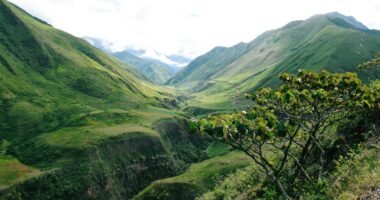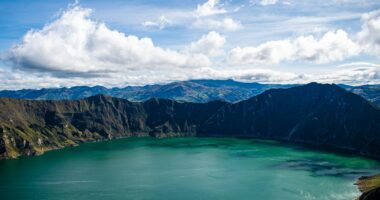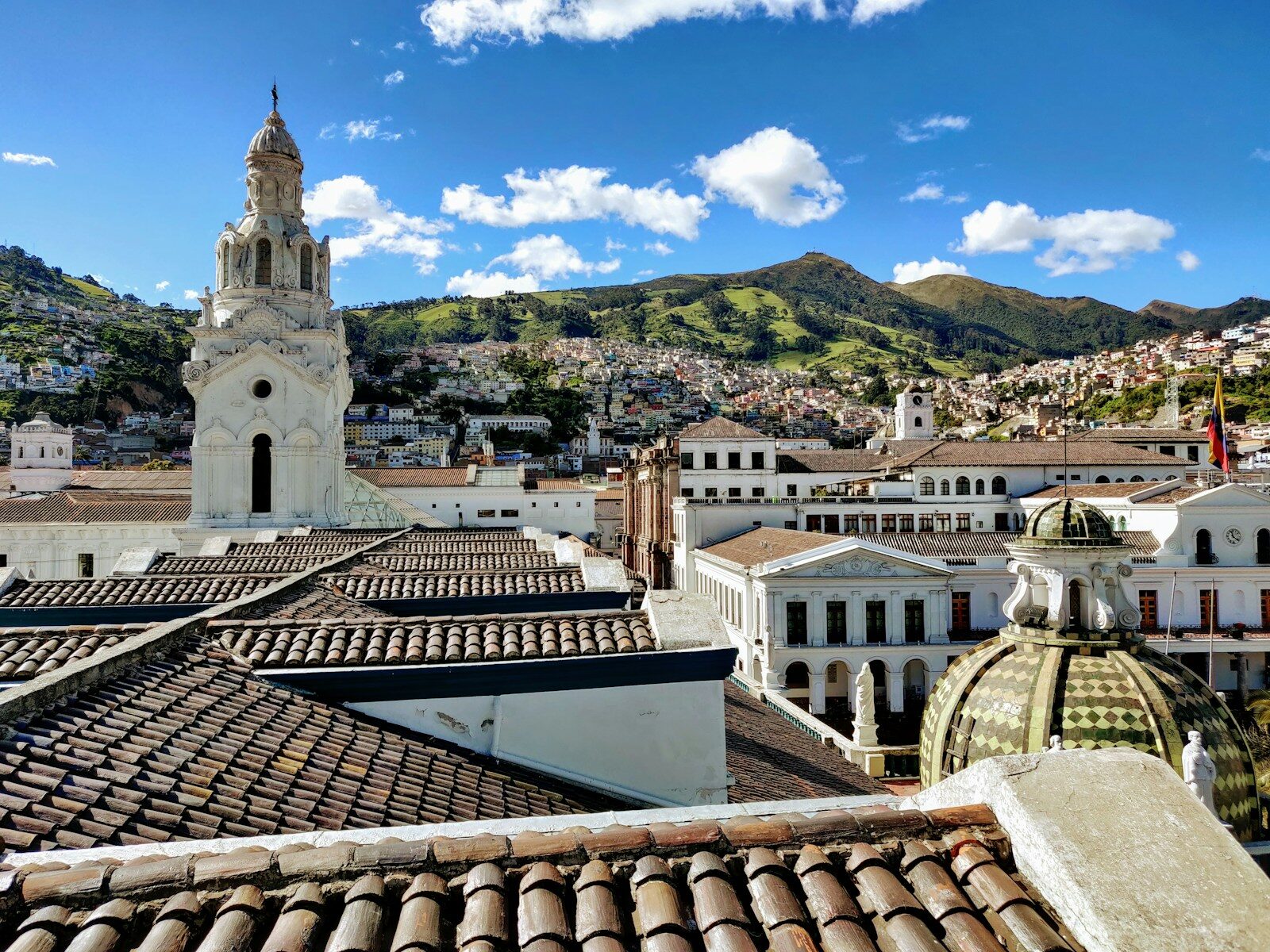
Ecuador packs an extraordinary range of landscapes into one compact country. From the wildlife-rich Galápagos Islands and the cloud-draped Andes to the steaming Amazon rainforest and miles of Pacific coastline, natural beauty is never in short supply here. That variety also means there’s no single “best” time to visit Ecuador — instead, each season unlocks a different side of the country. Whether you want to dive crystal-clear waters in January, hike an active volcano in July, or celebrate a centuries-old Christmas parade in December, Ecuador has something remarkable waiting for you all year long. This month-by-month guide breaks it all down so you can plan the perfect trip.
Book Tours & Experiences Across Ecuador
January–May: Dive and Snorkel the Galápagos Islands
The best time to visit Ecuador for snorkeling and diving in the Galápagos is during the wet season, which runs from December through May. During these months, the waters are calm and warm — ranging from 79–81°F (26–27°C) — meaning you can slip beneath the surface without a wetsuit. Visibility is exceptional, and the seas teem with tropical fish, manta rays, and sea turtles. While the wet season does bring brief rain showers that can temporarily cloud the water, those breaks are easily filled with hiking, wildlife spotting, and a visit to the Charles Darwin Research Station on Santa Cruz Island.
Explore the Galápagos Islands — Book Your Tour
February–March: Experience Carnival in Guaranda
If you want to witness one of the liveliest celebrations in all of South America, time your trip to coincide with Carnival in Guaranda. Taking place in late February or early March, this festival is widely considered the most exuberant in all of Ecuador. Colorful floats wind through the streets, dancers twirl in beautifully embroidered Andean attire, and the crowd enthusiastically douses one another — and any unsuspecting tourists — with foam, water, and flour. The festivities can run for a week or more, building toward a grand finale parade on Fat Tuesday. It’s chaotic, joyful, and entirely unforgettable.
March–April: Celebrate Holy Week in Quito
Easter is taken deeply seriously in Ecuador, where Catholicism is woven into the cultural fabric of the country. Holy Week — the week leading up to Easter Sunday — fills Quito with solemn processions and spiritual ceremonies, but the undisputed highlight is the Good Friday parade. Thousands of spectators line the streets or watch from hotel balconies as participants dressed and masked in purple walk barefoot through the city, bearing crosses and figures of Jesus. After the procession, tradition calls for a bowl of fanesca, a rich, hearty soup made specifically for the Lenten season.
Holy Week is also an ideal time to visit Quito’s extraordinary churches and basilicas. The Basilica of the National Vote — one of the largest neo-Gothic churches in the Americas — hosts a range of educational and spiritual events throughout the week, making it a particularly rewarding stop.
Discover Quito’s Historic Churches & Sacred Sites
May: Sunbathe on Ecuador’s Pacific Beaches
May is the sweet spot for Ecuador’s Pacific coastline. Temperatures along the coast average a warm 79°F (32°C), rainfall tapers off as the dry season settles in, and the ocean calms to its most swimmable state. It’s also a shoulder season, which means fewer crowds than the peak summer months — a real bonus if you prefer your beach experience on the quieter side. Spend a lazy afternoon on the serene sands of Mompiche Beach, or head to the surf-and-party hub of Montañita for a livelier scene. With nearly 1,400 miles of coastline to choose from, finding your ideal stretch of sand is half the adventure.
Plan a Day Trip to an Ecuadorian Beach
June–September: Hike Cotopaxi National Park
June through September is Ecuador’s peak travel season, and for good reason. The highlands enter their dry period, bringing cool, clear, sunny days that are tailor-made for outdoor exploration. Cotopaxi National Park, located just south of Quito, is the crown jewel of Andean hiking — home to one of the world’s highest active volcanoes, rising to 19,347 feet (5,897 meters) above sea level.
The park offers trails for all ability levels. The path around Limpiopungo Lake provides a scenic, relatively manageable trek with sweeping views of the snow-capped summit. For those with more ambition, a push toward the volcano’s icy summit is one of the most challenging and rewarding hikes in South America. Either way, the dramatic Andean landscape makes every step worth it.
Book a Cotopaxi Hiking Tour from Quito
August: Chase Waterfalls in Baños de Agua Santa
Baños de Agua Santa is Ecuador’s adventure capital, and August — dry, sunny, and energizing — is one of the best months to be there. The town is a launch pad for river rafting, ziplining, jungle exploration, canyoneering, and more. On warm, clear days, you can zipline over the rushing Pastaza River or scale the basalt walls of San Martin Canyon. When the clouds roll in, the area’s hot springs provide the perfect warm escape.
The waterfalls surrounding Baños are spectacular at any time of year, but the dry-season conditions of August make the trails more accessible and the views more dramatic. The famous Ruta de las Cascadas — a downhill route passing eight separate waterfalls — is one of Ecuador’s most iconic day trips and absolutely not to be missed.
Discover the Waterfalls & Adventures of Baños
October: Explore the Amazon Rainforest
While the Galápagos tends to steal Ecuador’s wildlife spotlight, the country is also home to more than 42,000 square miles of Amazonian rainforest — and it’s every bit as extraordinary. Hike through towering jungle canopies, canoe alongside caimans, and track down hidden lagoons teeming with exotic birds and river creatures.
The dry season in the Amazon runs from June through November, bringing fewer mosquitoes and lower river levels that make wildlife spotting significantly easier. October is a particularly good month to visit — it sits in the cheaper shoulder period, which means thinner crowds and better deals on accommodation and tours. Cuyabeno Wildlife Reserve and Yasuní National Park are the two premier destinations for Amazon exploration, both offering guided jungle expeditions that range from day trips to multi-day immersions.
Book an Ecuadorian Amazon Jungle Tour
November: Travel Ecuador on a Budget
November is Ecuador’s most wallet-friendly month. As the dry season gives way to the wet season, a transitional period sets in — misty mornings, cooler temperatures, and the occasional sudden downpour become the norm. The upside? Fewer tourists, lower prices on tours and accommodation, and a more relaxed pace throughout the country.
The unpredictable weather makes November ideal for embracing Ecuador’s excellent indoor offerings: take a traditional cooking class, unwind at a thermal spa, or spend an afternoon at the Museum of Anthropology and Contemporary Art in Guayaquil. For budget-conscious travelers who don’t mind a little rain, November is a genuinely underrated time to visit.
December: Spend Christmas in Cuenca
In the southern highlands, the colonial city of Cuenca — a UNESCO World Heritage Site steeped in Incan history — puts on one of Ecuador’s most beloved holiday celebrations. The Pase del Niño is an annual Christmas parade in which residents dress as nativity figures and process through the streets carrying a statue of the baby Jesus. Folk dancers perform, costumed revelers fill the plazas, and vendors sell traditional foods including chicha, a fermented corn drink with deep indigenous roots.
In the nine days leading up to Christmas — known as the Novenas — Cuenca hosts concerts, fireworks, and a steady stream of festivities that fill the city with warmth and color. Just be prepared: December is the most expensive month to travel in Ecuador, so book accommodation well in advance if you want to experience the celebrations firsthand.
Explore Cuenca’s Food, Culture & Holiday Spirit
Ecuador Climate by Region: A Quick Overview
- Coast (including beaches and Manta): Tropical climate with a wet season from December to May and a dry season from June to November. Best beach weather is May.
- Highlands (Quito, Cuenca, Cotopaxi): Cool and spring-like year-round, with two dry seasons — June to September being the most reliable for hiking and outdoor activities.
- Amazon (Cuyabeno, Yasuní): Hot and humid with frequent rainfall throughout the year. The drier period from June to November is the best time to visit for wildlife spotting.
- Galápagos Islands: Warm wet season from December to May is ideal for snorkeling and diving. The cooler dry season (June to November) brings strong currents and different marine wildlife.
Best Time to Visit Ecuador: FAQs
How does the climate vary across Ecuador’s regions?
Ecuador’s climate shifts dramatically from one region to the next. The coast follows a tropical pattern with a wet season from December to May and a dry season from June to November. The highlands enjoy a mild, spring-like climate throughout the year with cooler temperatures at altitude. The Amazon is consistently hot and humid with regular rainfall, while the Galápagos experience a warm wet season and a cooler, windier dry season. This diversity means that no matter when you visit, at least one region will be at or near its best.
What is the landscape like in Ecuador’s Amazon region?
Ecuador’s Amazon encompasses over 42,000 square miles of dense tropical rainforest. The terrain includes towering jungle canopies, winding rivers, oxbow lakes, and flooded forests. Wildlife is extraordinarily rich — expect to encounter caimans, pink river dolphins, anacondas, monkeys, macaws, and hundreds of species of insects and amphibians. Cuyabeno Wildlife Reserve and Yasuní National Park are the top destinations for deep jungle exploration.
Can I visit multiple regions of Ecuador in one trip?
Absolutely — and Ecuador’s compact size makes it very feasible. Many travelers combine a few days in Quito with a highland excursion to Cotopaxi or Baños, followed by a Galápagos extension or a trip into the Amazon. With good planning, you can experience two or three completely different ecosystems within a single two-week itinerary.
What are some must-see attractions in Ecuador?
Top highlights include the Galápagos Islands, Cotopaxi National Park, the historic centers of Quito and Cuenca (both UNESCO World Heritage Sites), the adventure hub of Baños de Agua Santa, Cuyabeno Wildlife Reserve in the Amazon, and the surf town of Montañita on the Pacific coast.
What is a unique natural feature of the Galápagos Islands?
The Galápagos Islands are home to some of the most fearless wildlife on earth — animals that evolved in the near-complete absence of natural predators, meaning they show virtually no fear of humans. The islands are also where Charles Darwin developed his theory of evolution after observing the unique adaptations of species like giant tortoises, marine iguanas, and the famous Darwin’s finches. No two islands in the archipelago are alike, making each one a distinct natural experience.