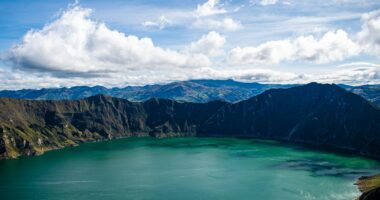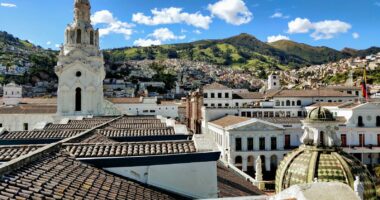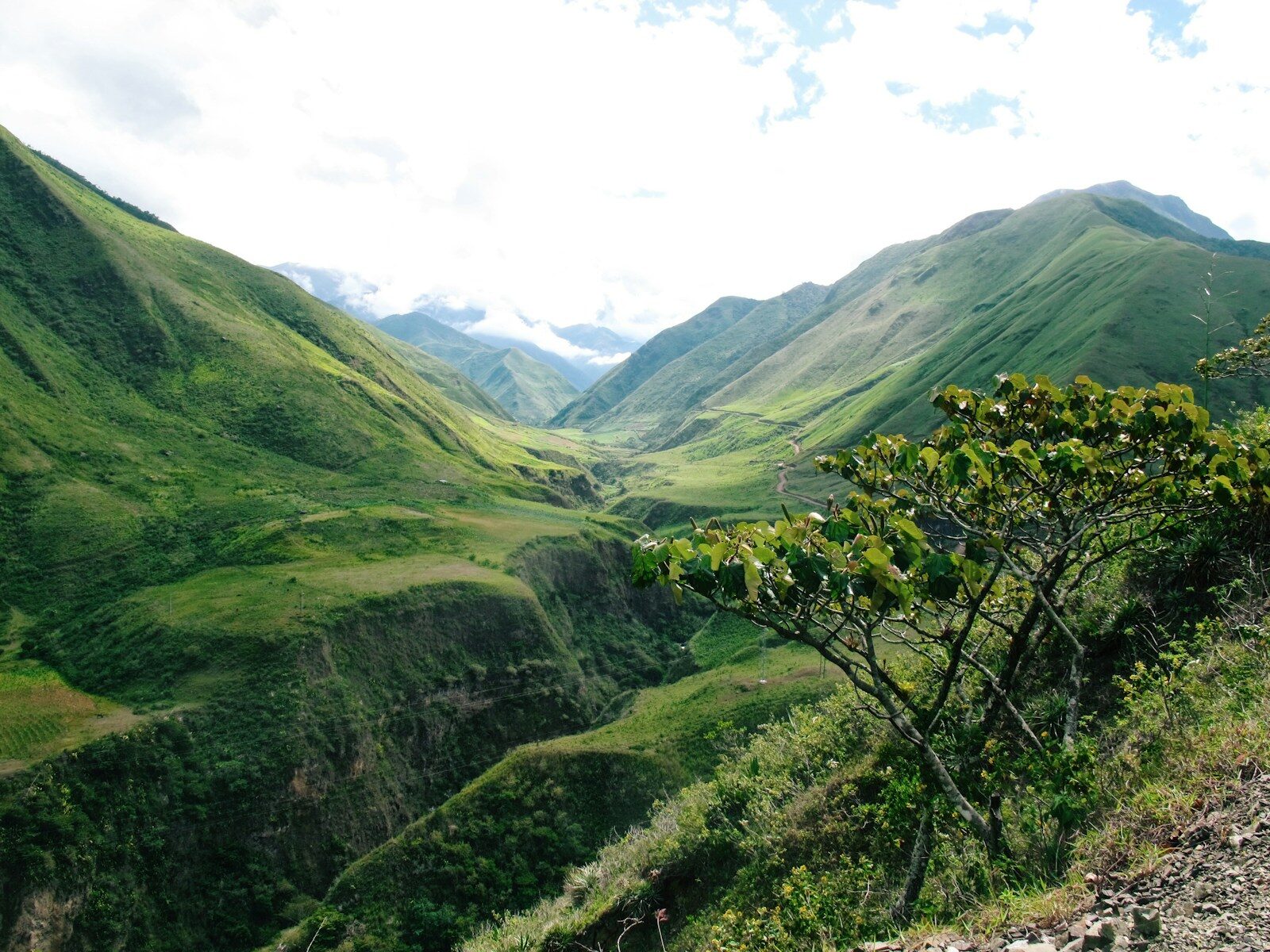

Ecuador punches far above its weight as a travel destination. Within its relatively compact borders, you’ll find the wildlife-laden shores of the Galápagos Islands, the snow-capped peaks of the Andes, the lush depths of the Amazon Rainforest, and vibrant colonial cities like Quito and Cuenca. But like any destination, Ecuador rewards visitors who arrive prepared. From navigating altitude sickness and understanding local customs to mastering a few key Spanish phrases and knowing which water not to drink, a little knowledge goes a long way. Here’s everything you need to know before your first trip to Ecuador.
Book Tours & Experiences in Ecuador
1. Take Altitude Sickness Seriously
Ecuador’s capital, Quito, sits at 9,350 feet (2,850 meters) above sea level — and it’s far from the only high-altitude destination in the country. Altitude sickness typically kicks in at elevations above 8,200 feet (2,500 meters), and its symptoms can range from mildly unpleasant to genuinely debilitating. Headaches, shortness of breath, nausea, and lightheadedness are the most common early signs. Left unaddressed, symptoms can escalate into something more serious.
The good news is that altitude sickness is largely manageable with the right approach. Give yourself at least one or two full days to acclimatize when you first arrive at high elevation — resist the urge to immediately launch into strenuous sightseeing. Stay well hydrated, rest when your body asks for it, and steer clear of alcohol, caffeine, and intense physical activity in those first couple of days. If symptoms persist or worsen, the most effective remedy is simple: descend to a lower elevation as soon as possible.
Book High-Altitude Hiking Tours in Ecuador
2. Plan for Ecuador’s Extraordinary Geographic Diversity
One of the most important things to understand before visiting Ecuador is just how much variety the country packs into a small space — and how much time you’ll want to do it justice. Most travel experts recommend a minimum of two weeks, particularly if the Galápagos Islands are on your list, as getting there requires a flight from the mainland and a dedicated block of time to experience properly.
Beyond the Galápagos, Ecuador offers an almost overwhelming array of landscapes. The Andean highlands are home to towering volcanoes including Cotopaxi, the country’s second-highest peak, and the adventure hub of Baños de Agua Santa, which serves as a gateway into the Amazon basin. Ancient history runs deep here too — the Incan ruins of Ingapirca and Pumapungo offer a window into pre-colonial civilization, while the misty cloud forests of the Mindo Valley are a paradise for birdwatchers and nature lovers alike. The broader the itinerary you build, the more Ecuador will reward you.
Explore Ecuador’s Highlands & Natural Wonders
3. Ask Before You Flush
This is a practical tip that catches many first-time visitors off guard. In some parts of Ecuador — particularly in more rural areas and older buildings — the plumbing simply cannot handle toilet paper. Flushing it risks clogging and overflowing the system. In these cases, a small waste bin is provided next to the toilet for paper disposal instead.
Many bathrooms will display signage indicating whether flushing is safe. When in doubt, use the bin. It may feel unusual at first, but it’s standard practice across much of Ecuador and many other parts of Latin America — and far less inconvenient than a plumbing emergency.
4. Stick to Bottled Water
While cities like Quito and Cuenca have functioning water treatment infrastructure, drinking straight from the tap is not recommended for visitors. Water can pick up contaminants between the treatment facility and your glass, particularly in older pipes or less well-maintained systems. In rural areas and smaller towns, water quality can be significantly lower, and the risk increases accordingly.
The safest approach is to drink bottled water throughout your trip — and to use it for brushing your teeth as well. Bottled water is widely available and inexpensive across Ecuador, so it’s an easy habit to maintain. Some travelers also find that even showering with their mouth closed is a sensible precaution in more remote areas.
5. Be Smart About Transportation
Ecuador’s public transport network is impressively affordable, making buses a practical option for budget-conscious travelers covering longer distances between cities. The trade-off is reliability — buses can be infrequent and don’t always run to schedule. Before embarking on a long journey by public transport, it’s worth asking your hotel staff for guidance. They’ll often have up-to-date knowledge of the best routes, departure points, and any potential complications.
For shorter trips within cities, taxis are a convenient option — but take a moment to check the basics before you get in. Legitimate taxis in Ecuador have orange license plates and a working meter. Some unlicensed drivers are known to take unnecessarily long routes to inflate the fare, so insisting on the meter from the outset is essential. If you’d rather avoid the uncertainty of local transport altogether, organized day trips from Quito offer a stress-free and comfortable way to reach Ecuador’s top attractions.
Book Hassle-Free Day Trips from Quito
6. Check Travel Advisories and Be Aware of Red Zones
Ecuador is a rewarding and generally welcoming destination, but like any country, it has areas where travelers should exercise increased caution. Before booking your trip, check the latest travel advisories issued by your government, as local conflicts, civil unrest, and protests can occasionally disrupt travel plans or affect safety in certain regions.
Even within major cities like Guayaquil, certain neighborhoods — known as red zones — have higher crime levels and are best avoided by tourists. This doesn’t need to be a cause for alarm; simply make a habit of asking your hotel staff which areas to steer clear of when you arrive. Local knowledge is always more reliable and current than any guidebook, and most hotel staff are happy to provide specific, up-to-date advice.
7. Learn a Few Spanish Phrases
In Quito and other large cities, you’ll encounter English speakers in hotels, tour agencies, and tourist-facing businesses. But venture beyond the main tourist corridors — into smaller towns like Otavalo, rural markets, or local restaurants — and Spanish becomes essential. Even a bare minimum of phrases will be met with warmth and appreciation.
Start with the basics: hola (hello), por favor (please), gracias (thank you), and ¿cuánto cuesta? (how much does it cost?). One phrase worth knowing before you sit down to eat is buen provecho — the equivalent of “enjoy your meal.” It’s customary in Ecuador to say this to fellow diners when their food arrives, and even to strangers at neighboring tables when you leave a restaurant. Using it will immediately mark you as a considerate and culturally aware visitor.
Discover Food & Culture Tours in Quito
8. Embrace the Chocolate — and Brace for Mayonnaise
Ecuador is the birthplace of Arriba Nacional cacao, an heirloom variety prized by chocolatiers around the world for its complex flavor profile of fruity and floral notes. This is considered some of the finest cacao on earth, and the chocolate produced from it is extraordinary. Make time for a chocolate workshop or tasting tour — they’re available in Quito, Cuenca, and the Amazon town of Tena, and offer a genuinely memorable insight into Ecuador’s most celebrated agricultural product.
On the savory side of things, prepare yourself for mayonnaise. Ecuadorians use it liberally, and you’ll find it accompanying dishes where you might not expect it — think rice, potatoes, and grilled meats. It’s not unusual for it to simply appear on your plate unbidden. If you’re not a fan, it’s perfectly fine to politely decline, but if you embrace it, you might find yourself pleasantly surprised.
Book Chocolate Tours & Culinary Experiences in Ecuador
9. Understand Beer Culture in Ecuador
Beer in Ecuador comes in bottles rather than cans — that’s the first thing to know. But the more interesting cultural note is how it’s consumed. Ecuadorians typically purchase a single large-format bottle and share it among a group, with everyone drinking from the same glass that gets passed around and refilled. Buying your own small individual bottle and drinking it alone can seem slightly antisocial by local standards.
If you’re heading to a beach town or a park gathering with locals, lean into the communal spirit — it’s a genuinely warm and convivial way to share a drink. The legal drinking age in Ecuador is 18 years old, applying to all types of alcohol. The most widely available local beer is Pilsener, a light lager that pairs well with Ecuador’s warm coastal climate.
10. Carry US Dollars and Small Bills
Ecuador’s official currency is the US dollar, which makes it straightforward for American travelers and means there’s no need for currency exchange if you’re arriving from the United States. Ecuador also mints its own centavo coins, which mirror the values of US coins and are generally interchangeable within the country — though they won’t be accepted outside Ecuador, so avoid accumulating too many.
The most important practical tip here is to always carry small bills. Many market vendors, taxi drivers, and small local restaurants simply don’t have enough change to break a $20 or $50 note. Stock up on $1, $5, and $10 bills whenever you can — particularly before visiting places like the Otavalo market or smaller towns where large bills can cause genuine inconvenience. ATMs are available in cities but less reliable in rural areas, so plan ahead and withdraw cash before leaving major urban centers.
Explore Ecuador’s Markets & Cultural Experiences
FAQs: What to Know Before Visiting Ecuador
What language is spoken in Ecuador?
Spanish is Ecuador’s official language and is spoken throughout the country. In the Andean highlands, indigenous languages — particularly Quechua — are also widely spoken, especially in rural communities and indigenous markets. English is understood in tourist-heavy areas of Quito and at most hotels and tour agencies, but outside those environments, Spanish is essential. Even a handful of basic phrases will dramatically improve your experience and earn you goodwill from locals.
What kind of electrical outlets are used in Ecuador?
Ecuador uses Type A and Type B electrical outlets — the same two-pin and three-pin flat plug configurations used in the United States and Canada. The standard voltage is 120V at 60Hz, identical to North American standards. Travelers from Europe, the UK, Australia, or other regions using different plug types or voltages will need a plug adapter and potentially a voltage converter for sensitive electronics.
What are some unique souvenirs to buy in Ecuador?
Ecuador is a fantastic destination for handicrafts and artisan goods. The Otavalo market is the top destination for hand-woven textiles, ponchos, hammocks, and embroidered clothing made by the local Otavaleño indigenous community. Panama hats — which are actually Ecuadorian in origin, not Panamanian — are another iconic purchase, best bought in Cuenca where the finest quality ones are produced. Artisan chocolate, locally produced jewelry, carved wooden masks, and painted ceramics are also excellent options.
What are some popular activities for adventure seekers in Ecuador?
Ecuador is a dream destination for adventure travelers. Top experiences include hiking and mountaineering on Cotopaxi and Chimborazo volcanoes, white-water rafting and zip-lining in Baños de Agua Santa, mountain biking along the Waterfall Route, jungle trekking in the Amazon at Yasuní National Park, diving and snorkeling in the Galápagos Islands, and paragliding over the Andean valleys. Ecuador’s geographic diversity means that world-class adventure is rarely more than a few hours away regardless of where you’re based.
What is the dress code like in Ecuador?
Ecuador is a fairly relaxed and informal country when it comes to dress. Lightweight, breathable clothing works well on the coast and in the Amazon, while layers are essential for the highlands and Andes, where temperatures can shift dramatically between day and night. When visiting churches, religious sites, or indigenous communities, dressing modestly — covering shoulders and knees — is a sign of respect. Comfortable walking shoes or hiking boots are a practical necessity for most itineraries.