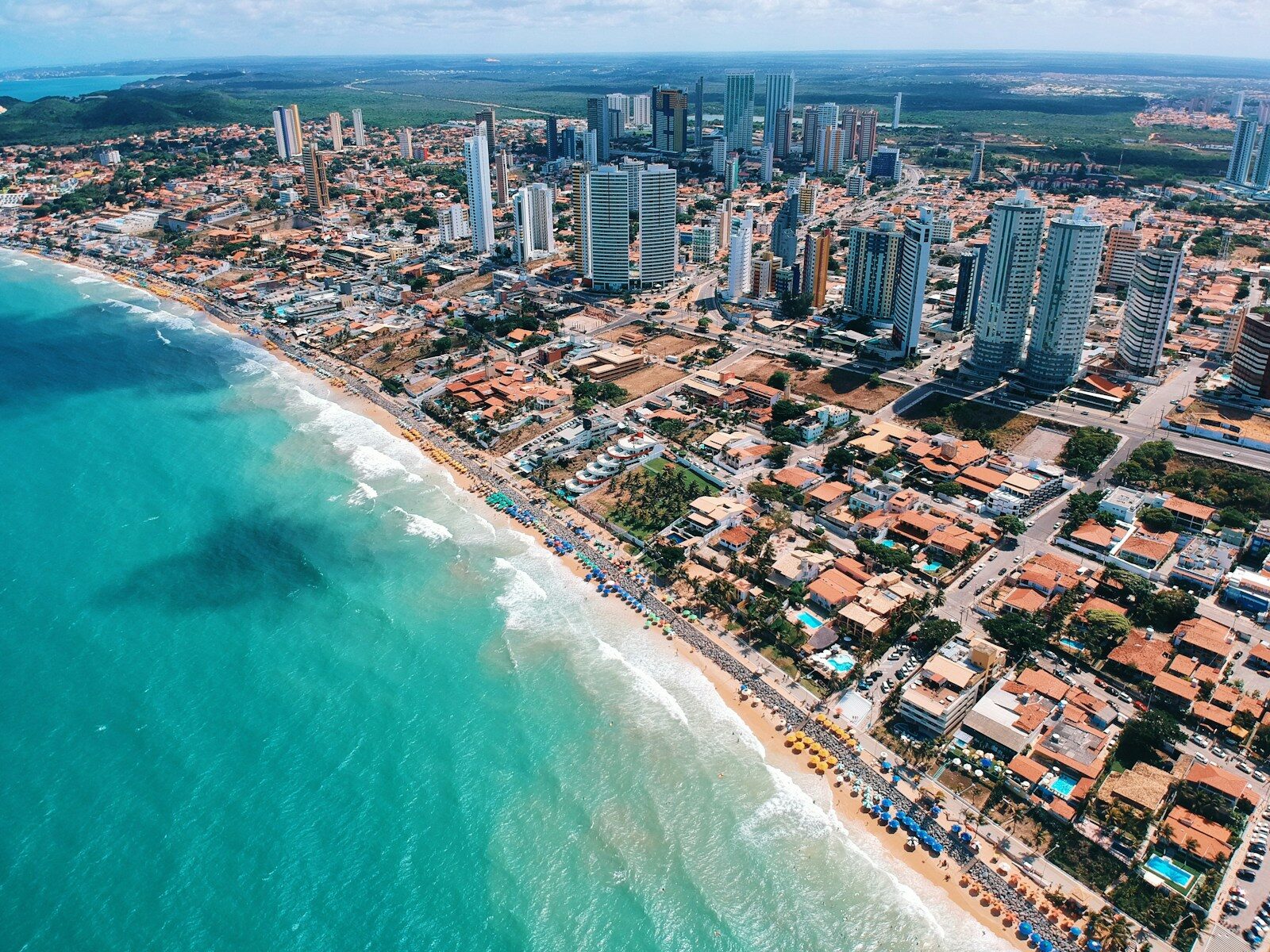

Brazil is not a country with a single best time to visit — it’s a country with eight. Spanning five distinct climate zones and covering an area larger than the continental United States, Brazil offers dramatically different experiences depending on where you go and when you go there. The Amazon rainforest operates on its own seasonal logic. The Pantanal wetlands reveal their wildlife in a completely different window. The northeastern beaches hit their peak when the south is in its cooler months. And Rio de Janeiro’s famous Carnival falls in the middle of the sweltering southern summer.
Understanding these regional rhythms is the key to planning a Brazil trip that aligns with your priorities — whether that’s dancing through the night at Carnival, tracking jaguars in the Pantanal, exploring colonial Salvador without the crowds, or watching Iguazu Falls at maximum flow. This guide breaks down the best time to visit Brazil month by month and region by region, so you can build an itinerary around the experiences that matter most to you.
Explore Brazil’s Best Tours and Experiences Year-Round
February–March: Carnival Season — Brazil’s Greatest Celebration
If there is a single event that defines Brazil’s identity on the world stage, it is Carnival. Falling in February (occasionally spilling into early March depending on the liturgical calendar), Carnival transforms cities across the country into immersive, weeks-long celebrations of music, dance, colour, and community that are unlike anything else in the world. For many visitors, timing a Brazil trip around Carnival is the entire point of the journey.
Rio de Janeiro’s Carnival is the most internationally famous, anchored by the spectacular Sambadrome parades where rival samba schools compete in elaborately costumed processions watched by tens of thousands of spectators. But Rio’s Carnival extends far beyond the Sambadrome: the blocos — street parties that take over entire neighbourhoods — draw millions of participants and create a city-wide atmosphere of joyful, chaotic celebration that lasts for days. Tickets for the best Sambadrome nights sell out months in advance, and hotel rates in the city multiply several times over during the peak Carnival week.
For a different and arguably more authentic Carnival experience, Salvador in Bahia is a compelling alternative. Salvador’s Carnival is powered by axé music rather than samba, with enormous sound trucks (trios elétricos) moving slowly through the streets while hundreds of thousands of revellers follow behind. Recife and Olinda in Pernambuco offer yet another variation, centred on the traditional frevo and maracatu musical styles in one of Brazil’s most historically significant colonial settings.
Wherever you celebrate, this is peak season in Brazil and the most expensive time of year to travel. Book accommodation — ideally with air conditioning — at least six to twelve months in advance for Rio, and expect temperatures of 85–95°F (29–35°C) with high humidity throughout.
Experience Rio Carnival with Samba Shows and Dance Classes
April–May: Shoulder Season — Best Value and Fewer Crowds
Once the Carnival crowds disperse and the school holidays end, Brazil enters one of its most appealing travel windows. April and May represent the cheapest time to visit Brazil for most destinations, with accommodation discounts of 30–40 percent common across popular cities and beach resorts compared to peak season. Flights are more affordable, attractions are quieter, and the experience of exploring cities like Rio and São Paulo feels considerably more relaxed.
The weather across much of the country remains genuinely pleasant during these months — temperatures typically sit between 70–85°F (21–29°C) across the south and southeast, and humidity drops noticeably from its summer peak. Rio’s most famous landmarks, including Christ the Redeemer and Sugarloaf Mountain, can be visited with shorter queues and clearer views. Beach destinations along the Costa Verde — Paraty, Angra dos Reis, and Ilha Grande — are far less crowded than in January and February, and the water remains warm enough to swim in comfortably.
In the Amazon, April and May mark the transition toward the wetter season, when rising river levels open up smaller tributaries that are inaccessible during drier months. For a different perspective on the rainforest — slower, more reflective boat travel through flooded forest channels — this can actually be a rewarding time to visit, even if wildlife spotting is somewhat less straightforward than in the dry season.
Book Day Trips and Nature Experiences from Rio de Janeiro
May–June: The Ideal Time to Explore Salvador and the Northeast
The months of May and June open a particularly well-balanced window for exploring Salvador, Brazil’s historic first capital and one of the most culturally rich cities in South America. Positioned in the northeastern state of Bahia, Salvador sits between its rainy season (which typically runs from April to June, though it tapers off through May) and the July–August domestic holiday rush — creating a period of pleasantly warm temperatures around 75–85°F (24–29°C) with steadily decreasing humidity and fewer international visitors than at any other time of year.
This is exactly the right conditions for spending long hours on foot through the UNESCO-listed Pelourinho district, where 17th and 18th-century colonial buildings painted in vivid colours line cobblestone streets that rise and fall across Salvador’s hilltops. The São Francisco Church, with its extraordinary interior of gold leaf over intricately carved woodwork, can be appreciated without the jostling crowds of high season. On Tuesday evenings throughout the year, open-air concerts of traditional Bahian music are held in the Pelourinho squares — an experience that feels genuine and community-centred rather than tourist-oriented.
Salvador’s food culture is also among the most distinctive in Brazil, rooted in the African culinary traditions that define Bahian cooking. Moqueca (a slow-cooked seafood stew fragrant with coconut milk and dendê palm oil), acarajé (black-eyed pea fritters sold from street stalls), and vatapá (a rich prawn and groundnut paste served with rice) are all worth seeking out in the city’s restaurants and markets.
Discover Salvador’s Culture, Food, and Walking Tours
June–September: Dry Season in the Amazon — Prime Time for Wildlife
The Amazon rainforest is always extraordinary — but the dry season, running roughly from June through September, is when it becomes most accessible and most rewarding for visitors. Reduced rainfall makes jungle trails navigable, river levels drop to expose beaches and rocky banks that disappear entirely during the wet season, and wildlife congregates around the remaining water sources in concentrations that make for exceptional viewing.
Temperatures during these months hover between 80–90°F (27–32°C) — hot and humid, but noticeably less oppressive than the wet season. June and July offer the best combination of favourable conditions and manageable visitor numbers before August, which sees a slight uptick in domestic tourism. The chances of spotting caimans sunning themselves on river banks, troops of monkeys moving through the canopy overhead, and a dazzling range of bird species along the waterways are at their highest during this window.
Multi-day jungle lodge stays along the tributaries of the Rio Negro or the Amazon River itself remain the most immersive way to experience the rainforest. These typically involve guided night walks to spot nocturnal wildlife, piranha fishing, canoe trips through flooded forest channels, and visits to local indigenous communities. Day trips from Manaus are possible but provide only a surface-level impression of an ecosystem whose true character reveals itself over several days of slow, attentive exploration.
Book Amazon Jungle Tours and River Lodge Expeditions
July–October: Dry Season in the Pantanal — World-Class Wildlife Watching
The Pantanal is the world’s largest tropical wetland — a vast, seasonally flooded plain covering parts of Brazil, Bolivia, and Paraguay that supports one of the highest concentrations of wildlife anywhere on earth. For travellers whose primary motivation is animal encounters, the Pantanal during its dry season from July through October consistently delivers experiences that rival — and in many respects surpass — the famous safari destinations of Africa.
As the floodwaters recede through July and August, animals that have dispersed across the flooded plains during the wet season concentrate around the remaining lakes, rivers, and watering holes. Jaguars — the top predator of the Pantanal and one of the most sought-after wildlife sightings in the Americas — become significantly more visible during this period, particularly along the Cuiabá River in the northern Pantanal. Giant river otters, giant anteaters, tapirs, marsh deer, capybaras, and more than 650 species of birds have all been recorded here in remarkable density.
August and September represent the peak of the dry season and the best overall conditions for wildlife watching — trails are firm, river levels are low, and the concentration of animals around water sources is at its greatest. Daytime temperatures can reach 90°F (32°C), but nights cool considerably. Guided tours departing from Cuiabá in the north or Campo Grande in the south provide access to the best wildlife areas, typically by combination of 4×4 vehicle, boat, and guided walking.
September–October: Perfect Shoulder Season for Rio de Janeiro’s Beaches
September and October deliver what many experienced Brazil travellers consider the sweet spot for visiting Rio de Janeiro. The oppressive humidity and peak crowds of the December–March high season are still several weeks away, but the temperatures are warm and the skies are reliably clear — averaging 70–85°F (21–29°C) — making beach days on Copacabana and Ipanema genuinely enjoyable without requiring competition for space on the sand.
Accommodation rates during these shoulder months are noticeably lower than in peak season, and Rio’s most popular sights — Christ the Redeemer, Sugarloaf Mountain, the botanical gardens — can be visited with shorter queues and better photographic light. The clarity of spring skies means elevated viewpoints deliver their best panoramas of the city and coastline at this time of year. Sunrise at the Mirante Dona Marta viewpoint, where the city glows gold between mountains and sea, is particularly spectacular in the clear air of early spring.
This is also a good window for exploring Rio’s surrounding region — the Costa Verde coastal route south toward Paraty and Ilha Grande sees ideal temperatures and reduced visitor numbers in September and October, making it an excellent complement to a city stay.
Discover Rio de Janeiro’s Landmarks and Beaches
October–November: Optimal Conditions at Iguazu Falls
Timing a visit to Iguazu Falls requires balancing two competing factors: water volume and crowd levels. The falls are at their most dramatic following periods of heavy rainfall, when the full 275 cascades run at maximum capacity and the roar of the water can be heard from miles away. But the months of heaviest rainfall — December through February — also coincide with peak tourist season, when the Sambadrome, beaches, and national parks are at their most crowded.
October and November hit the ideal middle ground. The preceding rainy season ensures impressive water levels — the famous Devil’s Throat section is particularly dramatic at this time — while the peak tourist rush of the summer holiday period is still weeks away. Temperatures are pleasantly warm in the 65–85°F (18–29°C) range, without the intense humidity of high summer. The surrounding Atlantic rainforest is at its most vibrant and biologically active, with butterflies, toucans, and coatis encountered in abundance along the park’s trail network.
For the fullest experience, plan at least two days at Iguazu — one on the Brazilian side, which offers the most sweeping panoramic views of the entire falls system, and one on the Argentine side, where the trail network brings you up close to individual cascades and allows you to walk across the viewing platform directly above the Devil’s Throat.
Book Iguazu Falls Tours on Both Sides of the Border
November–December: Northeastern Beaches at Their Best
While much of Brazil’s travel calendar tilts toward the south and southeast, November and December represent the prime window for Brazil’s extraordinary northeastern coastline. From the bohemian dune town of Jericoacoara in Ceará to the protected marine paradise of Fernando de Noronha offshore and the warm Bahian beaches further south, the northeast enjoys its best conditions during these months — temperatures averaging 80–90°F (27–32°C), minimal rainfall, and crystal-clear water ideal for snorkelling and diving.
November is particularly well-timed from a value perspective: the excellent weather arrives before December signals the official start of peak season, meaning accommodation rates are still at shoulder-season levels. The consistent trade winds that blow along the northeastern coast during this period create ideal conditions for kitesurfing and windsurfing, particularly at Jericoacoara and Cumbuco near Fortaleza — both of which attract serious water sports enthusiasts from Europe and North America throughout the season.
Fernando de Noronha — a remote volcanic archipelago 220 miles off the northeastern coast and one of Brazil’s most strictly protected marine reserves — is at its most accessible and visually spectacular in November. Visibility in the surrounding waters can exceed 130 feet (40 metres), making it one of the finest diving and snorkelling destinations in the entire Atlantic.
Explore the Beaches and Dunes of Northeast Brazil
December–January: New Year’s Eve in Rio and High Summer
December and January mark Brazil’s high summer season — the most expensive, most crowded, and most energetically charged time of year to visit. At the centre of it all is Rio de Janeiro’s Réveillon celebration, one of the world’s great New Year’s Eve events. On the 31st of December, over two million people gather on Copacabana Beach dressed in white — a tradition honouring the Afro-Brazilian sea goddess Yemanjá — for a spectacular night of live concerts, fireworks launched from barges offshore, and celebrations that continue until sunrise.
The energy of Rio at this time of year is genuinely unmatched. The city is at its most alive, its most vibrant, and its most excessive — in the best possible sense. Temperatures soar to 85–95°F (29–35°C) with high humidity, the beaches are packed, and the city’s famous social life operates at full intensity. Book accommodation at least six months in advance (ideally more), prioritise air conditioning, and budget accordingly — hotel rates during Réveillon week can be four to five times their standard prices.
For those who find the crowds and cost of Rio in peak season prohibitive, early December offers an appealing alternative: the festive atmosphere is building, temperatures are warm but haven’t yet reached their peak, and the Carnival preparations haven’t yet started driving prices to their highest levels. It’s a brief window, but one worth considering for visitors who want Rio’s summer energy without its most extreme manifestations.
Book New Year’s Eve Experiences and Rio Summer Activities
Final Thoughts: Choosing the Best Time to Visit Brazil
The ideal time to visit Brazil depends entirely on your itinerary and priorities. For Carnival, February is non-negotiable. For Amazon wildlife, aim for June through September. For the Pantanal, July through October delivers the most extraordinary animal encounters. For Rio’s beaches without the crowds, September and October are hard to beat. For Iguazu Falls at peak drama with manageable visitor numbers, October and November are the sweet spot. And for the northeastern beaches, November and December offer the best combination of excellent weather and reasonable prices.
What Brazil rarely offers is a genuinely poor time to travel. Even the wetter months in regions like the Amazon open up unique experiences that the dry season doesn’t provide. The key is understanding which windows align with which experiences — and building your itinerary accordingly.
Find and Book the Best Tours Across Brazil
FAQs: Best Time to Visit Brazil
How does the weather vary across different regions of Brazil?
Brazil’s sheer size means its weather varies dramatically from north to south and east to west. The Amazon region in the north is hot and humid year-round, with a pronounced wet season roughly from November to May. The northeast has a tropical climate with a rainy season that runs from April to July in most areas, though timing shifts along the coast. The central plateau region, including Brasília, experiences a dry season from May to September and a wet season for the rest of the year. The south and southeast have a more subtropical climate, with noticeably cooler winters (June to August) and hot, humid summers from December to February. Understanding these regional differences is essential for planning a multi-destination trip.
What is the best time for beach activities in Brazil?
For beaches in Rio de Janeiro and the southeast, the summer months of December through March offer the warmest water temperatures and the most reliable sunshine, though crowds are at their peak. The shoulder months of September–October and April–May offer a good compromise of warm conditions and fewer visitors. For Brazil’s northeastern coast — including Jericoacoara, Fortaleza’s beaches, and Bahia — November through February is the driest and most reliably sunny period, with crystal-clear water ideal for snorkelling and diving. Fernando de Noronha is excellent from November to March, when marine visibility is at its greatest.
When is the best time to explore the Amazon rainforest?
The dry season from June through September is the most popular and generally most rewarding time to visit the Amazon. Lower water levels make trails accessible, wildlife concentrates around remaining water sources and is therefore easier to spot, and conditions on the river are more comfortable for boat travel. June and July are particularly well balanced between good conditions and manageable crowds before the August peak. That said, the wet season (November to May) has its own appeal — flooded forests create unique canoeing and boat-travel experiences through submerged jungle that simply don’t exist in the dry season.
Are there any natural phenomena in Brazil worth timing your visit for?
Several of Brazil’s natural phenomena are genuinely worth planning around. The freshwater lagoons of Lençóis Maranhenses National Park are at their fullest and most spectacular between July and September, after the seasonal rains have filled the valleys between the dunes. The Meeting of Waters near Manaus — where the dark Rio Negro and sandy-coloured Amazon flow side by side without mixing — is visible year-round but most dramatic during the dry season when water levels are lower and the contrast between the two rivers is sharpest. And the whale watching season on the southern coast, particularly around Florianópolis and the Costa dos Cações, runs from July through November.
What are some major festivals in Brazil worth planning around?
Carnival (February or early March) is the undisputed highlight of Brazil’s festival calendar — celebrated across the country but most spectacularly in Rio de Janeiro, Salvador, and Recife/Olinda. The Festa Junina celebrations in June and July are Brazil’s second-great festival tradition, honouring rural and northeastern culture with forró music, traditional food, and colourful costumes across the northeast. The Parintins Folklore Festival in the Amazon city of Parintins takes place in late June and features a spectacular two-team spectacle rooted in Amazonian indigenous culture. And Rio’s Réveillon on New Year’s Eve remains one of the world’s great public celebrations, drawing millions to Copacabana Beach for fireworks, music, and white-clad festivities through the night.